
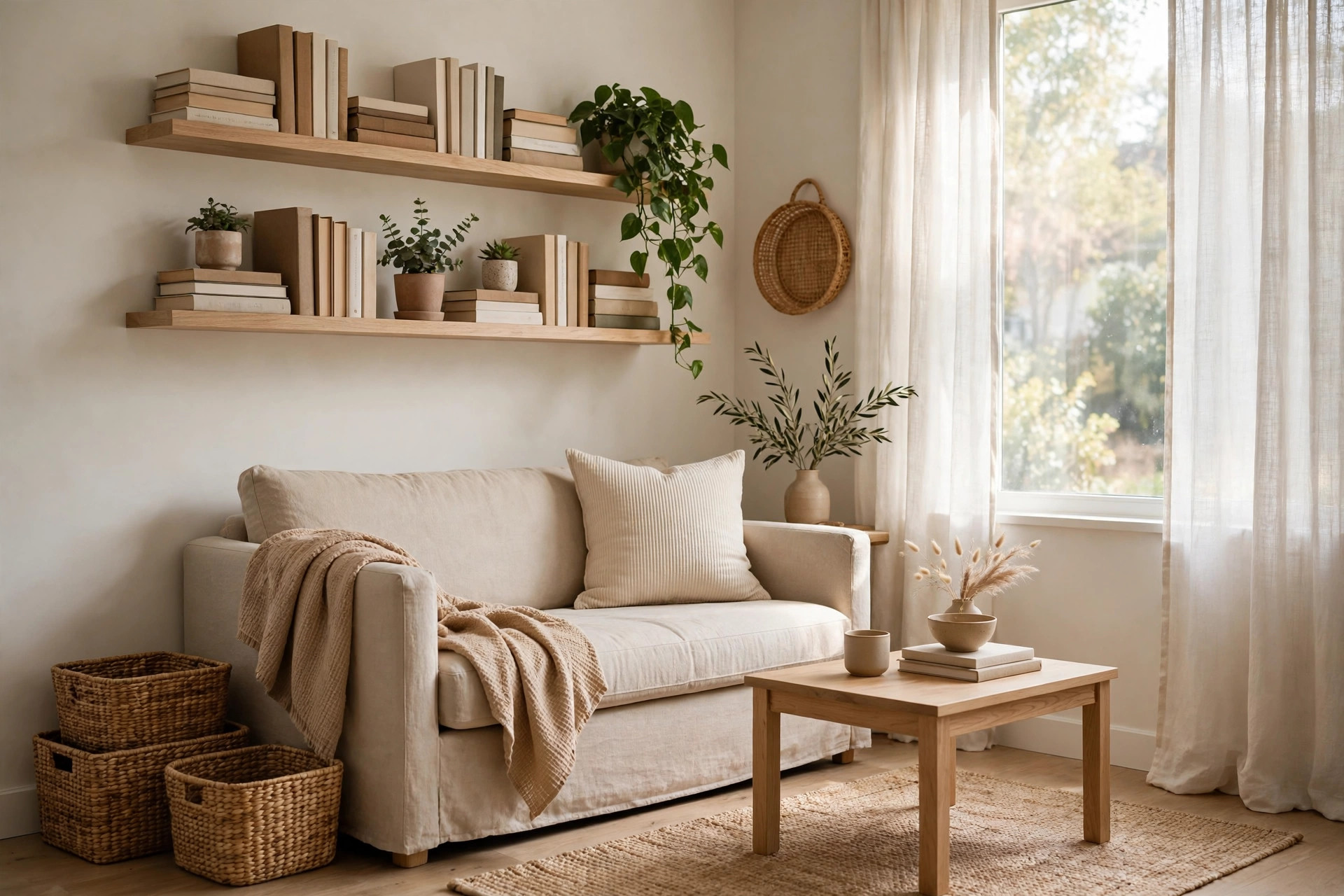
Minimalist decluttering for beginners sounds simple — own less, feel calmer — but most people stall at the very first drawer. The pile looks huge, every item feels like a decision, and the advice online is usually fifty tips with no clear starting point. This guide fixes that: one method, in order, built for a small apartment and a real budget. No new bins, no storage unit, no guilt.
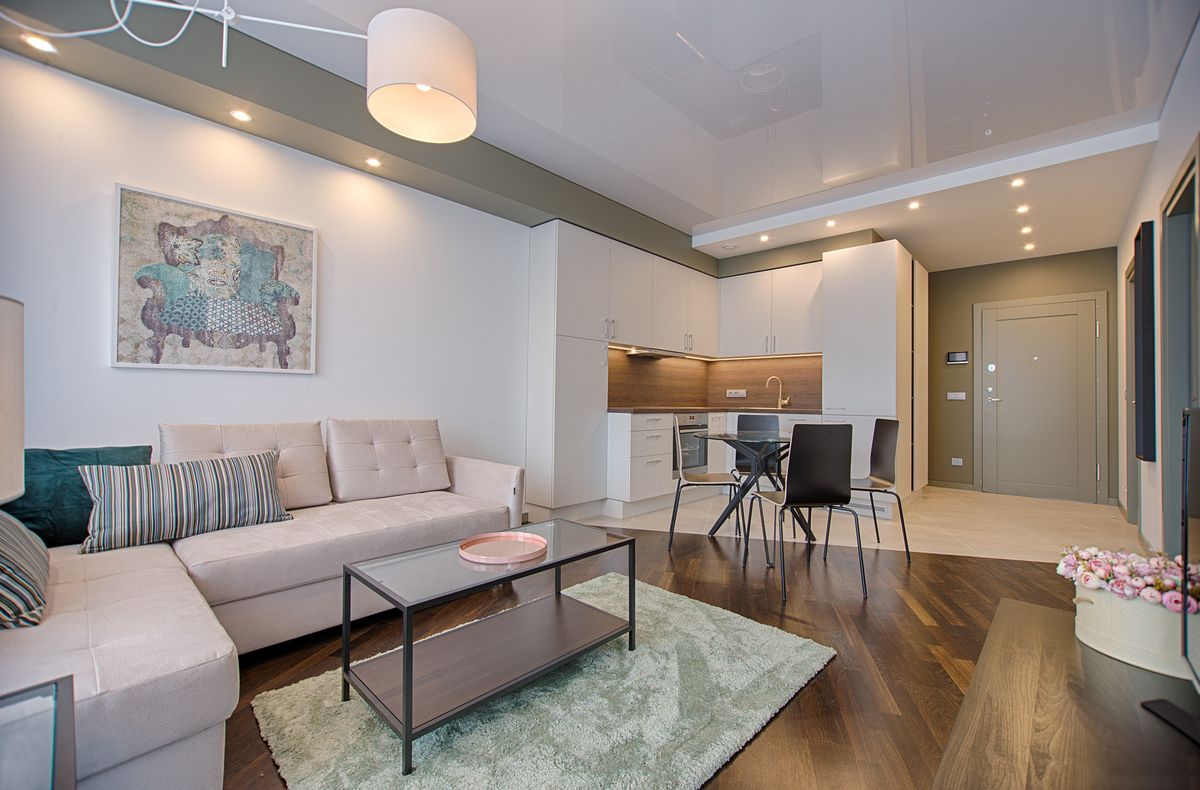
What Minimalist Decluttering Actually Means
Minimalist decluttering is not about owning almost nothing. It is about keeping only the things that earn their place — the things you use, love, or genuinely need — and letting the rest go so your small space works for you. Less stuff means less cleaning, less searching, and less money spent replacing things you already own but cannot find. And it is a skill, not a personality trait. Beginners quit because they start too big and run out of energy by lunchtime — so the method below starts small on purpose.
The 7-Step Minimalist Decluttering Method for Beginners
Step 1: Start With a 10-Minute Win
Pick the smallest visible mess: one junk drawer, the top of your nightstand, or the kitchen counter. Set a timer for ten minutes and clear only that spot — trash out, strays back where they belong — and stop when the timer rings. A small, finished win teaches your brain that decluttering ends, which makes the next session easier to start. Our guide to starting decluttering when you feel overwhelmed covers the same gentle start.
Step 2: Decide What Each Space Is For
Before you empty a shelf, write one sentence per room: what is this space for? A bedroom is for sleeping and getting dressed; a kitchen is for cooking and eating. Anything that does not serve that purpose is a candidate to move or remove — this sentence is the test for every item, and it stops the classic beginner mistake of organizing clutter instead of removing it.
Step 3: Sort With Three Boxes
Grab three bags: Keep, Let Go, and Decide Later. Work on one small area at a time — one shelf, one drawer, one closet section. The Decide Later bag is your safety net, but it needs a rule: seal it, date it, and if you have not opened it in 30 days, the whole bag leaves the house unopened.

Step 4: Ask Four Questions Before You Keep Anything
For every item you are unsure about, ask: Do I use it regularly? Would I buy it again today? Does it have a specific home here? Does it make my daily life better? Four noes means it goes in the Let Go bag. The questions replace guilt with a clear test. A full set of fifteen questions lives in our decluttering questions guide for sentimental or expensive items.
Step 5: Declutter by Category, Not by Room
Once the easy wins are done, switch from rooms to categories. Gather every item in one category — all the mugs, all the t-shirts, all the books — in one place and look at the total. Twelve mugs lined up makes duplicates obvious in a way three cupboards never does. Keep the best of each kind and repeat: clothes, books, kitchen duplicates, papers. The KonMari checklist for small apartments uses the same category order, adapted for tiny closets.
Step 6: Give Everything a Home Before You Buy a Bin
Declutter first, containers last — this rule saves beginners the most money. A bin does not organize clutter, it hides it. Only after a shelf is emptied and the keepers chosen should you measure the space and buy (or reuse) a container that fits. Most beginners need fewer containers than expected — a shoebox or jar you already own works just as well as anything from a store.
Step 7: Stop the Inflow With One In, One Out
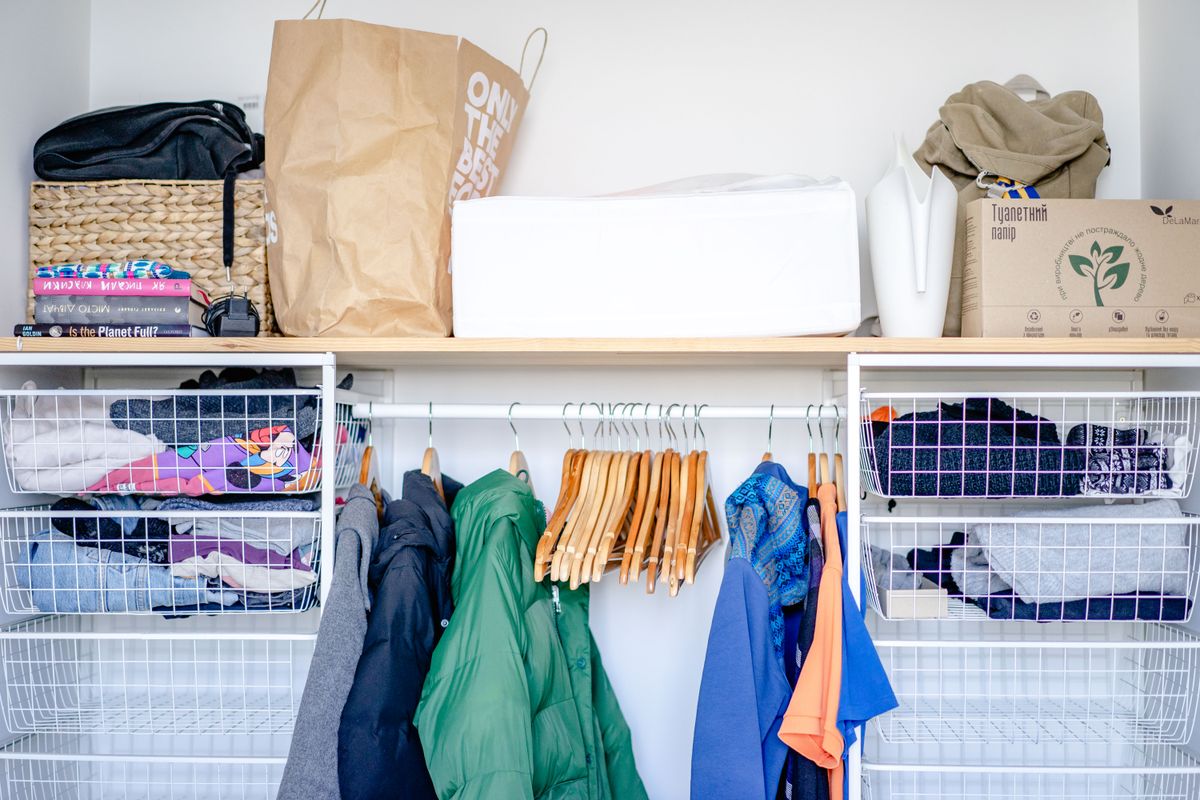
Decluttering only sticks if the front door stops leaking. The simplest guardrail is the one-in-one-out rule: every time something new comes in, something similar leaves. A new shirt means an old shirt goes to the donation bag. It takes ten seconds and it is the best defense against sliding back to clutter. Our guide to the one-in-one-out rule shows how to make it automatic.
Room-by-Room Keep-or-Toss Examples
Kitchen: keep the one good knife you reach for daily, the two pans you actually cook with, and the mugs you use every morning. Let go of the third spatula, the chipped plates, the expired spices, and the gadgets you used once.
Closet: keep the clothes that fit today, that you wore in the last year, and that match at least three outfits you own. Let go of the "someday" jeans, the single sock with no partner, the stretched-out basics, and anything kept only because it was expensive. Try the backwards-hanger trick: turn all hangers around, and after six months donate anything still facing the wrong way — you have your answer.
Bathroom: keep the products you use at least weekly and one backup of each essential. Let go of expired medicines and sunscreen, dried-up nail polish, hotel samples you will never open, and half-empty shampoos. Most people finish the bathroom in under twenty minutes.
The 30-Minute Weekly Reset That Keeps It Minimal
Once a week, set a timer for thirty minutes: clear every flat surface, return strays to their homes, take the Let Go bag to the donation box by the door, and check the fridge for expired food. That is the whole routine. If one room creeps back toward clutter, run steps three and four on that room only — never the whole apartment at once.
"You don't have to own less to be a minimalist. You just have to own what earns its place."
Start with ten minutes today, work the seven steps, and let the weekly reset do the long-term work. The Spruce asked real minimalists for their best decluttering tips, and Apartment List's 40 decluttering tips for apartments is a useful companion list.
Minimalist Decluttering FAQs
How long does minimalist decluttering take for a beginner?
Visible change takes one weekend of short sessions — three or four 30-minute blocks cover the kitchen, bathroom, and one closet. A full small apartment takes two to four weeks at ten to twenty minutes a day. Steady beats fast.
Do I have to get rid of sentimental items to be a minimalist?
No. Minimalism is about intention, not emptiness. Keep a small, curated set — one memory box is a good limit — photograph the rest, and let the duplicates and "kept out of guilt" items go. The memory stays; the clutter does not have to.
What if my partner or roommate is not on board?
Declutter only your own things and the shared spaces you both agree on. Start with your own closet — the visible difference wins people over faster than any argument. Never touch someone else's belongings without permission.
Is minimalist decluttering expensive? Do I need to buy organizers?
It should cost nothing. Declutter first and buy containers last — most beginners need fewer bins, not more. Reuse boxes, jars, and bags you already own.
Your 7-Step Checklist (Save This)
1. Ten-minute win on one small spot. 2. One purpose sentence per room. 3. Sort with Keep, Let Go, and Decide Later bags. 4. Ask the four keep-or-let-go questions. 5. Declutter by category, not by room. 6. Give everything a home before buying a bin. 7. One in, one out — forever. One step a day for a week, and your apartment will feel different.