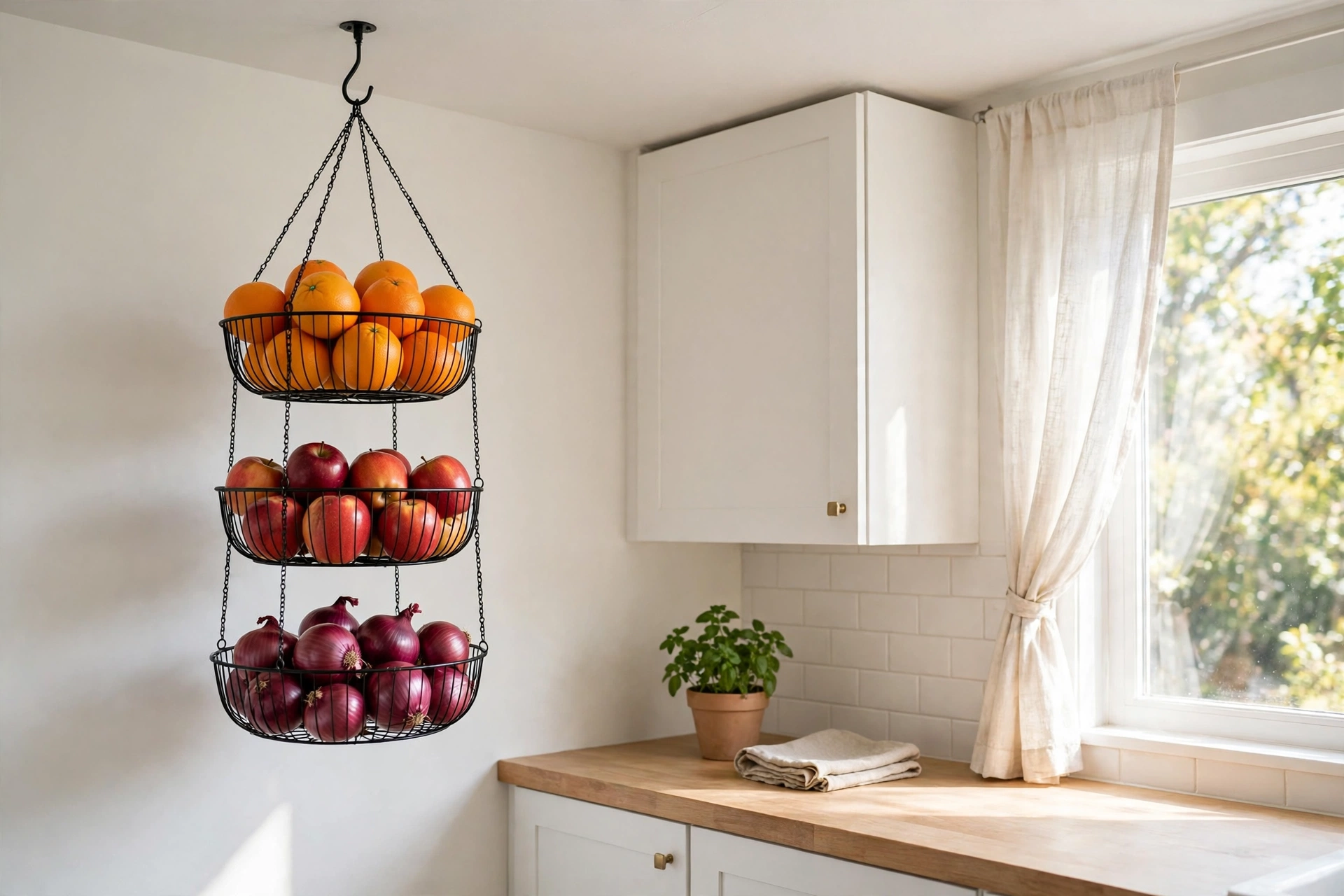
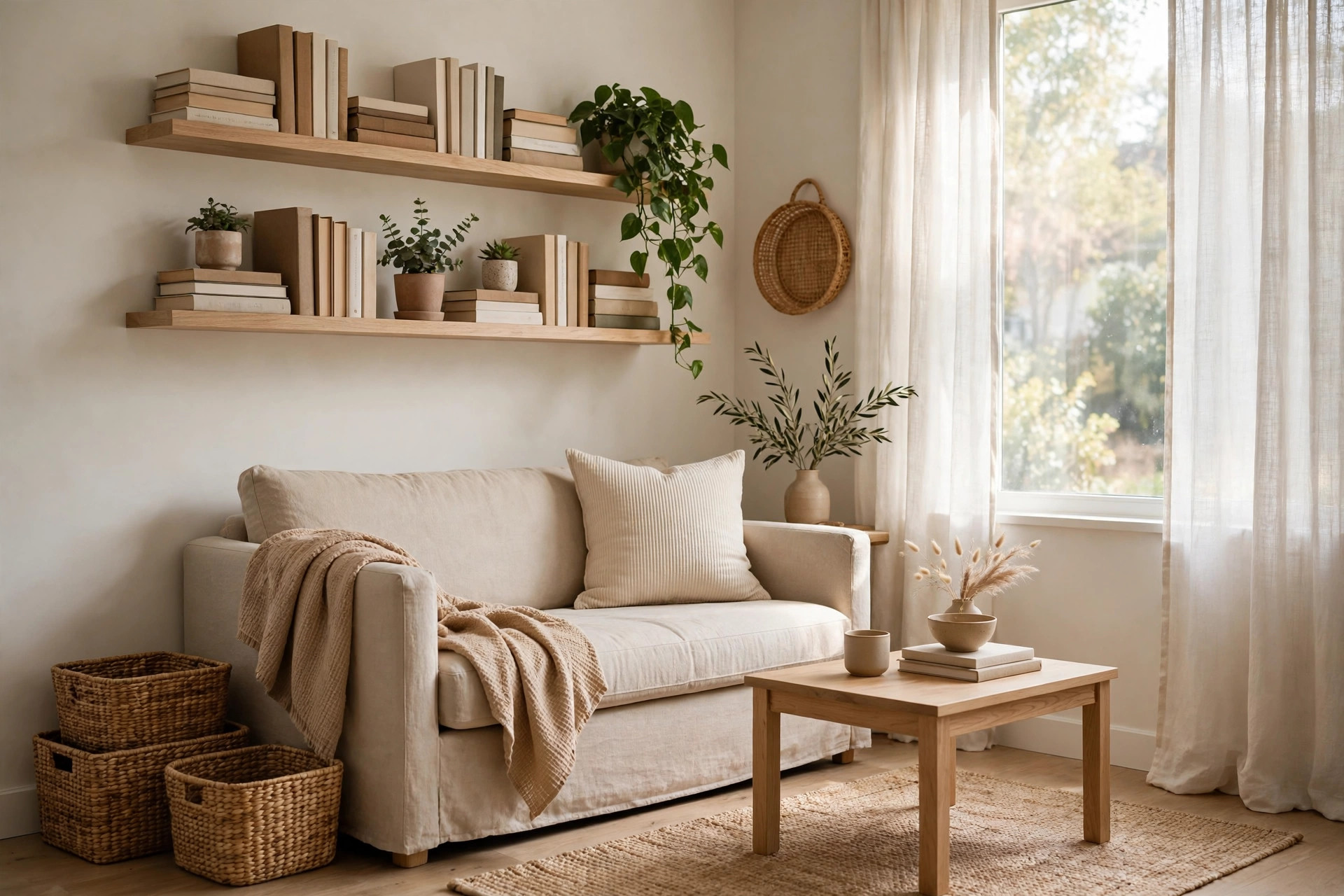
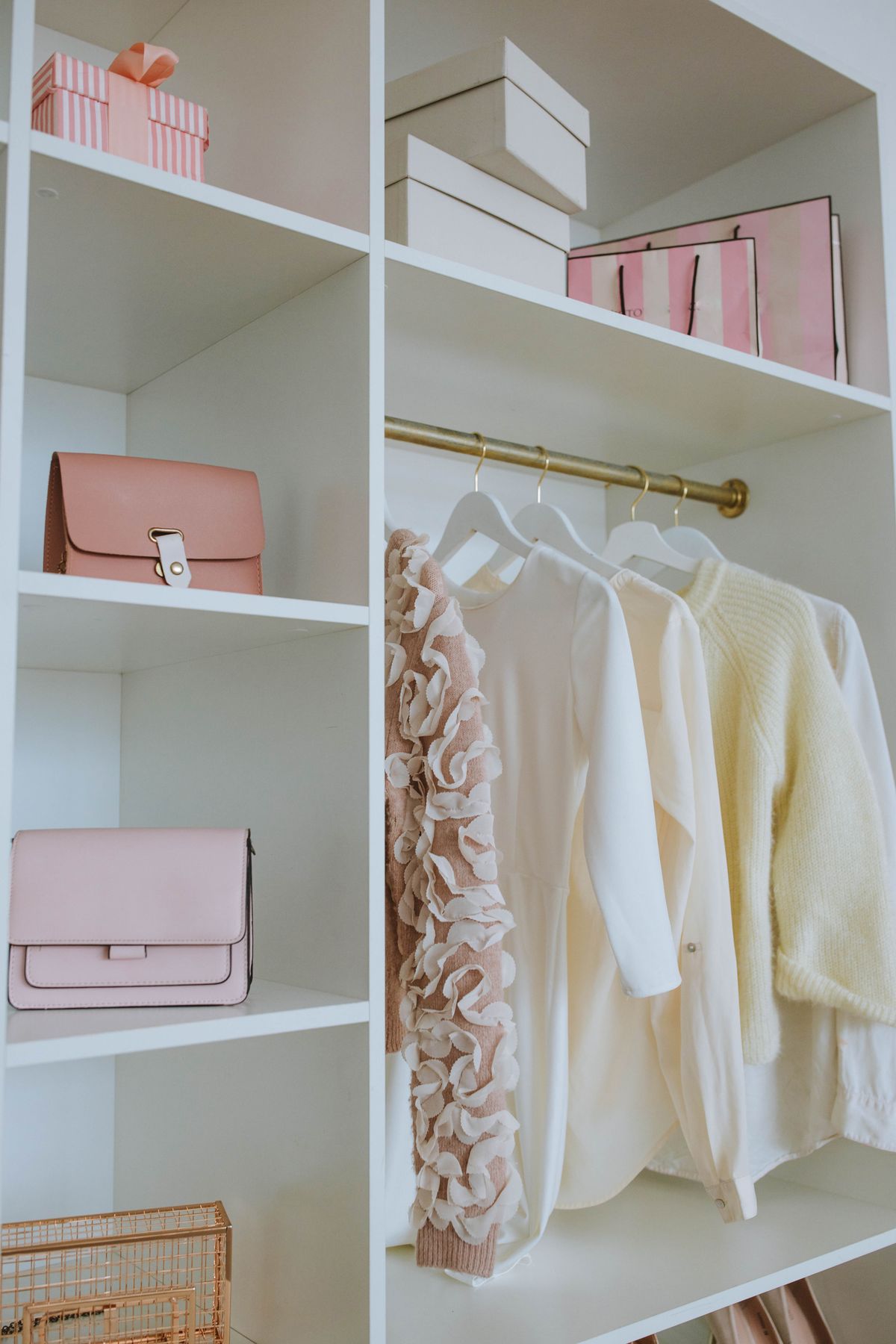
You decluttered once. The closet was calm, the counters were clear — and three months later, the clutter is back. Decluttering is a one-time event, and stuff arrives every week. The one-in-one-out rule fixes the other half: every time something new comes in, something old goes out. One small decision per purchase — no big purge, no guilt, no new storage system.
What Is the One-In-One-Out Rule?
The one-in-one-out rule is simple: when one item enters your home, one similar item leaves it. Buy a new sweater, and an old sweater goes to donation. A new mug arrives, and the chipped mug you never reach for goes out. What you own stays flat — or slowly drops — instead of quietly climbing.
The key word is similar: the outgoing item should come from the same category as the incoming one. A new scarf balanced by an old book does nothing for a crowded scarf drawer. Homes & Gardens' editor tried living by the rule and found the swap itself trains you to pause before shopping.
It is a maintenance habit, not a decluttering method. If your home is already overflowing, swap-only keeps it overflowing — do one honest clear-out first. Our guide on how to start decluttering when you are overwhelmed breaks it into 10-minute sessions.
Why the One-In-One-Out Rule Works in Small Apartments
In a small apartment, every item pays rent: a drawer that holds twelve mugs cannot hold thirteen without something spilling onto the counter. That hard limit is your advantage. The rule also catches clutter at the easiest moment, when you are holding the new thing and can compare it with the old one. Deciding then takes ten seconds.
The 7-Step One-In-One-Out Method
Setup takes one evening.
Step 1: Pick one category to start
Start where new items enter most often — usually clothes, kitchenware, or books. One category for one month builds the habit.
Step 2: Count what you have
Count the category you picked: twelve mugs, nine pairs of shoes, thirty hangers. Write the number down — that is your starting line.
Step 3: Set your "enough number"
Decide the maximum you will own in that category — the number that fits your actual space. The table below gives starting points for one adult.
Step 4: Give every category a home
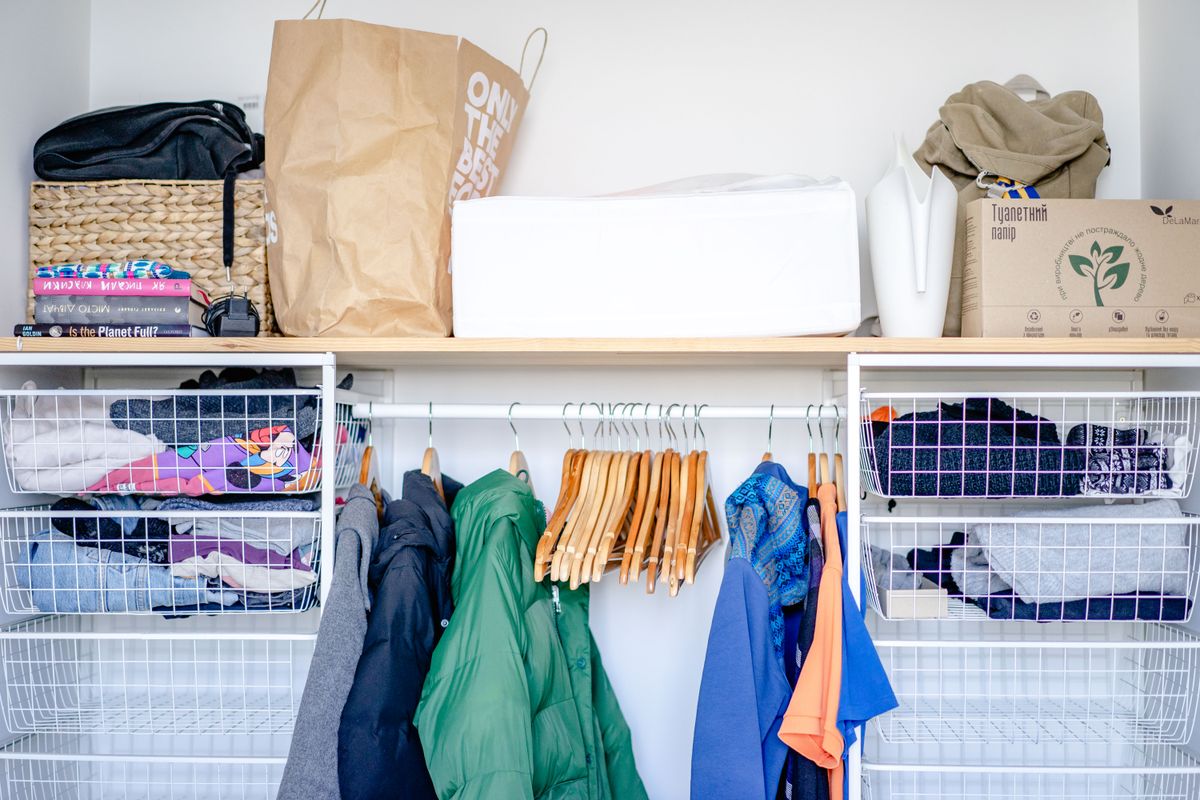
Assign each category one shelf, drawer, or basket. The container becomes the limit: when it is full, it is full. No drilling, no new furniture — a shoe rack that holds eight pairs is your shoe limit.
Step 5: Make the swap at the door
When a new item comes home, choose its replacement before putting it away. The outgoing item goes straight into a donation bag by the front door — never back on the shelf "for now."
Step 6: Give the outgoing item an exit date
Donations leave within 48 hours; items to sell get listed within a week or move to the donation bag. An exit date stops the bag becoming permanent furniture by your door.
Step 7: Review once a month
Check your counts five minutes a month. If a category keeps growing, lower its enough number by two.

Set Your "Enough Numbers"
Starting points for one adult — adjust them to your space and lifestyle.
CategoryExample enough numberLet go first when something new arrives Everyday mugs6The chipped or stained one Pairs of shoes8The pair you have not worn in a season Hanging clothes30 hangersThe item that no longer fits your style Books (kept at home)20A book you have read and will not reread Kitchen gadgets1 per jobThe duplicate or the one you use once a yearConsumables are not on the table: food and toiletries get used up rather than replaced, so the rule does not apply to them.
Where to Start: The Categories That Pay Off First
Clothes and shoes. The fastest cycle in most homes, and the easiest to judge: hold the new item next to the old one and the better one wins. For the first clear-out, our 30-day declutter challenge spreads it into one small area a day.
Mugs and kitchen extras. Small kitchens have no hiding places, so a mug limit shows up immediately on the counter. The rule is the only thing that has ever kept our own mug shelf at six — the shelf cannot hold a seventh.
The Exceptions (and How to Keep Them Honest)
No rule works in every situation. Public Storage's guide to the rule makes the same point: the habit has to bend for real life, or people drop it.
True needs. Replacing something broken — a dead kettle, shoes with holes — is a replacement, not an addition. The old one is already leaving, so the swap is built in.
Sentimental items. The rule is a poor tool for grief and memory. Exempt genuinely sentimental pieces, but keep it narrow: one small memory box per person. Our guide to getting rid of stuff you don't need has a gentler approach for keepsakes.
Test any exception in one sentence: if explaining it to a friend takes a paragraph, it is probably not an exception.
Common Mistakes That Break the Rule
Swapping across categories. A new sweater balanced by an old magazine leaves the closet just as full. Match like with like.
The bag by the door. The outgoing item only counts when it leaves the home. A donation bag that sits by the door for three weeks is clutter with good intentions.
"You do not need a bigger home. You need a rule that keeps the home you have from quietly filling up again."
Your One-In-One-Out Checklist
Run through this the next time something new comes home:
- Pick one category and stick with it for a month.
- Count what you own in that category; write it down.
- Set your enough number — the maximum that fits your space.
- Give the category one shelf, drawer, or basket as its home.
- When a new item arrives, choose its replacement first.
- Put the outgoing item in the donation bag immediately.
- Donations leave within 48 hours; sell items list within a week.
- Review counts monthly; adjust numbers that keep creeping.
Frequently Asked Questions
Does one-in-one-out work if my home is already very cluttered?
Not on its own. The rule maintains a calm home; it does not create one. Do one honest clear-out first, then start the rule the next time you buy anything.
Does the outgoing item have to be from the same category?
Yes. New shoes should replace shoes, not a book. Matching like with like keeps each category level.
What counts as "in" — do gifts and free items count?
Anything that stays in your home counts: purchases, gifts you keep, freebies. A free tote bag is still a tote bag on your shelf. Gifts meant for someone else do not count, if they have a labeled spot and a handover date.
How do I handle the rule with kids or a partner who does not follow it?
Start with your own things only. For shared spaces, agree on the enough numbers together and keep them visible inside a cabinet door. Never apply the rule to someone else's belongings without their agreement.
The rule will not change your home overnight — it changes it quietly, one decision at a time. Pick one category, count it, set your number, and let the next thing you bring home be the first swap.