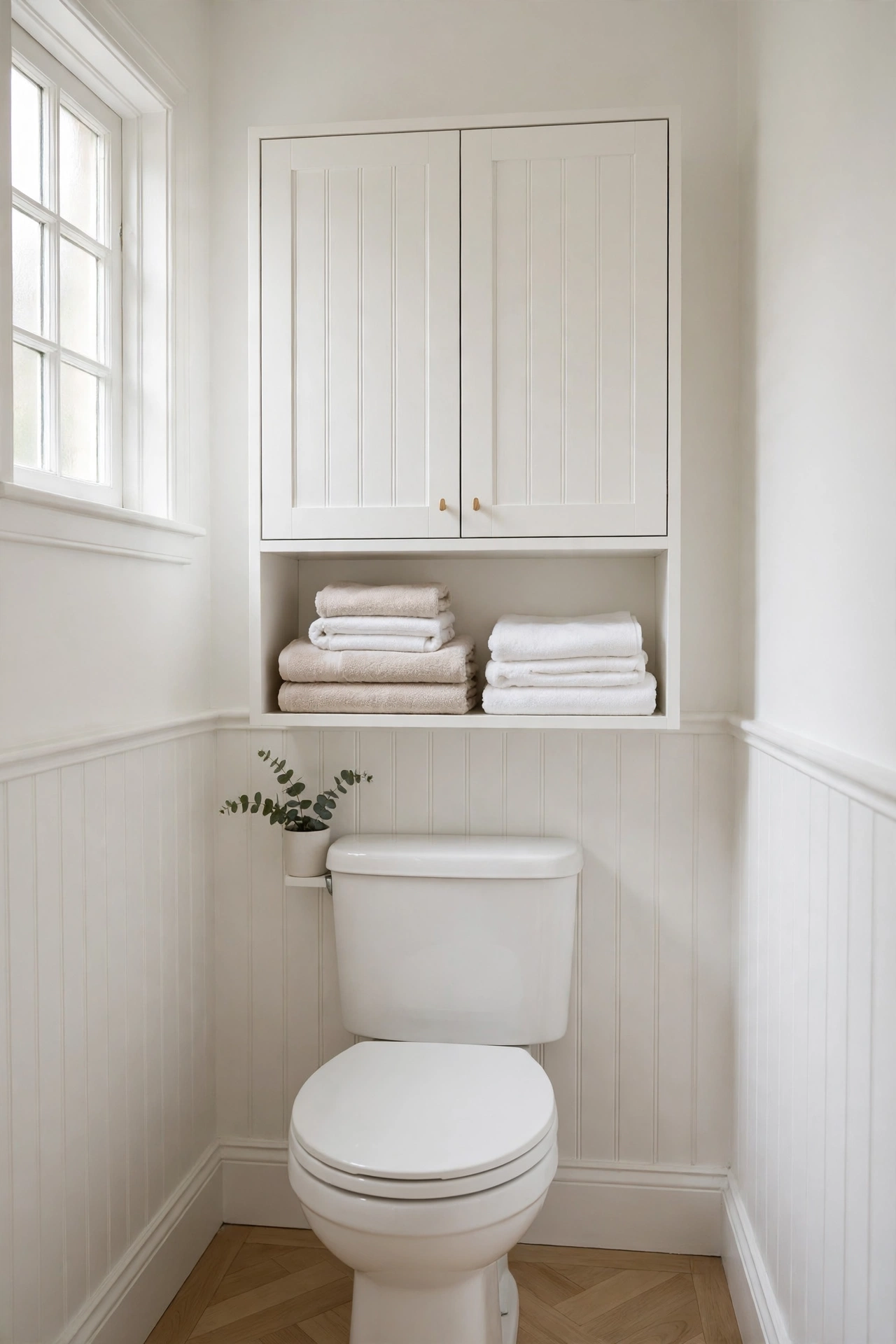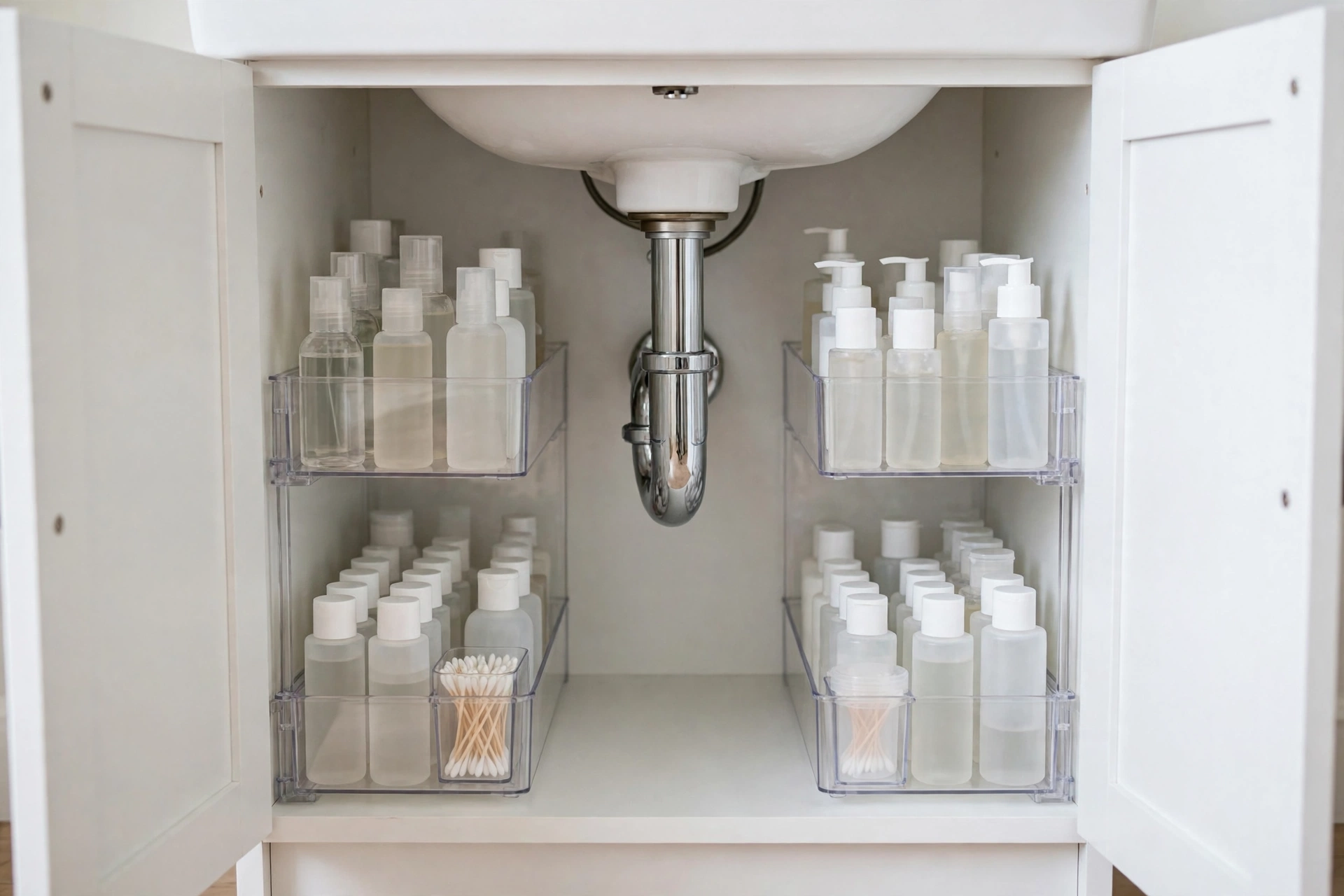


If you've been searching for how to start decluttering when overwhelmed, you're not lazy and you're not broken — your brain is simply doing what brains do: looking at the whole house and freezing. Clutter overwhelm is a real, documented pattern, and it hits hardest in small homes where every messy corner is visible all day long.
The way out isn't a marathon weekend or a shopping trip for matching bins. It's a method so small your brain can't object to it: a gentle 10-minute process, built for the moment you feel paralyzed, that ends with a visible, photographable win on day one.
Why Decluttering When Overwhelmed Feels Impossible
Most decluttering advice assumes you already have energy. It says "start anywhere" — the worst possible instruction when everywhere feels urgent. Psychologists call it decision fatigue: every undecided item in your sightline is a tiny open loop, draining the mental energy you'd need to deal with it.
Add the guilt loop — "I spent money on this," "my grandmother gave me that" — and small-space reality, where clutter has nowhere to hide. Most listicles on this topic recycle the same "start small!" platitude without defining what small means or how to decide. This guide does both, step by step.
The Gentle 10-Minute Method for Starting When You're Overwhelmed
Follow this sequence literally, like a recipe — each step removes one decision you'd otherwise have to make yourself.
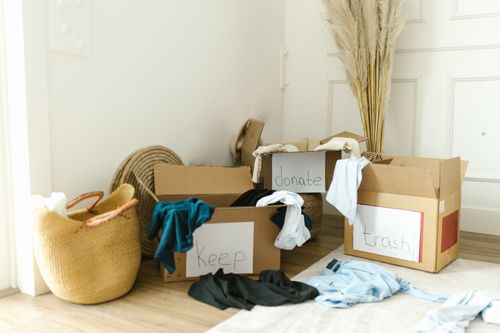 Your whole setup: three labeled containers and a timer. That's it.
- Set a 10-minute timer on your phone and promise yourself you'll stop when it rings. A hard stop is what makes this feel safe — you're not signing up for a whole afternoon.
- Pick one micro-zone, not a room. One drawer, half the kitchen counter, the top of your nightstand, one shelf. If touching every item would take more than 10 minutes, go smaller.
- Label three containers — Keep, Donate, Trash. Laundry baskets, grocery bags, and cardboard boxes all work. Every item gets exactly one destination.
- Touch each item once and decide within 5 seconds. Fast, imperfect decisions beat slow, agonizing ones. Tiebreaker: if you haven't used it in a year, own a duplicate, or can't name where it lives, it doesn't go back.
- Start with no-brainer discards: expired, broken, stained, empty, dried-out, obsolete. These need zero emotional energy — and clearing five easy items builds momentum for harder calls.
- When the timer rings, finish the loop. Take the trash bag out, put the donate bag by the front door or in your car, and return the keeps to their places. An unfinished loop is how "decluttering" becomes three new piles on the floor.
- Stand back and take a before-and-after photo. That visible proof teaches your nervous system that starting produces results — which makes tomorrow's session easier.
"You're not trying to finish the house today. You're trying to prove to yourself that starting is possible — and that it feels exactly like this."
Choosing Your First Target: A Printable-Style Checklist
Organizers consistently recommend starting with expired or broken items — they require almost no decision-making. Expert guidance on overwhelm-friendly starts agrees: confidence comes from easy wins, not heroic ones. Pick whichever of these feels easiest and do exactly one:
 Write down your micro-zones as a checklist — crossing one off is more motivating than you expect.
- Kitchen: expired food, mystery spices, and chipped mugs (see our small kitchen counter guide for what to do with the cleared space)
- Bathroom: expired medicines, dried-out products, and hotel samples you'll never use
- Entryway: the "drop everything" surface — coats, keys, mail, random bags
- The junk drawer: one drawer only, with our junk drawer organization ideas open for the sorting step
- One closet shelf: just one — the messy middle shelf everyone ignores
- Nightstand top: old receipts, dried pens, things that belong elsewhere
- Under the sink: half-used cleaners and plastic bags multiplying in the dark
- Paper clutter: that stack of mail and flyers — our paper clutter guide walks you through triaging it in one sitting
The Maybe Box: Your Secret Weapon for Hard Items
Some items freeze you completely — the gift from your aunt, the ticket stub, the too-small-but-too-loved sweater. Forcing those decisions on day one is how sessions die. Add a fourth box instead: Maybe. It has three strict rules that keep it from becoming a junk purgatory:
- It must be small. A shoebox, not a moving box. Size is the accountability.
- Date it. Write today's date on the lid in marker.
- If you don't open it in 30 days, it goes unopened. Whatever you haven't reached for in a month is, by definition, not essential. Donate the sealed box — don't peek, because peeking re-opens every decision you already survived.
Three Small Rules That Keep Clutter From Coming Back
Decluttering is the easy part; staying decluttered is the system. These three rules are deliberately tiny:
1. One in, one out
Every time something new enters your home, something similar leaves. New mug? An old one goes to donate. This single rule stops the accumulation that overwhelmed you — no spreadsheets required.
2. The two-minute reset
Before bed, set a two-minute timer and clear one visible surface — counter, coffee table, desk. This short daily reset method is the lowest-effort habit in organizing, and it stops "a little messy" from ever compounding again.
3. Give the mail a landing zone
Paper is the #1 re-clutterer in small apartments. Keep one tray or wall pocket by the door as the only legal place for incoming mail, and empty it weekly. Our mail organization ideas cover the full system.
Frequently Asked Questions
Where should I start decluttering if everything feels overwhelming?
Start with the smallest zone that gives a visible result in 10 minutes — one drawer, half a counter, a nightstand top. Finish it completely (trash out, donations bagged, keeps returned) before choosing another. Visible completion is what breaks the overwhelm cycle, so resist "starting everywhere."
How long should a decluttering session last when I'm just starting out?
Ten to fifteen minutes is ideal for the first two weeks. Short sessions with a hard stop train your brain to associate decluttering with a quick win instead of exhaustion. Extend them later — once the habit feels easy.
What do I do with sentimental items I can't decide on?
Put them in a small, dated Maybe Box. If you don't open it in 30 days, donate it sealed — peeking re-opens every decision you survived. For true keepsakes, set a limit: one small box per category (childhood, travel, gifts), and let the container be the rule, not your guilt.
What if my partner or kids won't declutter with me?
Only ever declutter your own belongings. Organize your own stuff in shared spaces (kitchen, living room) and let the visible results persuade. Once they're curious, our 30-day declutter challenge is a family-friendly structure to try together.
Start Today, Not "Someday"
Overwhelm thrives on vague intentions. "I'll declutter this weekend" becomes "next month" becomes another year of stress. The 10-minute method works because it asks almost nothing: one timer, one tiny zone, one decision at a time. Do your first session right now — before the day gets away from you.
When you're ready for more, the room-by-room decluttering checklist is your full-house roadmap, and the 30-day declutter challenge turns this gentle method into a lasting habit. You've already done the hardest part: starting.