Learning how to organize a small apartment with no storage feels impossible at first. No closet to fill, no pantry to stock, no linen cupboard for the towels. The good news: "no storage" almost never means "no space." The storage is hiding above your head, behind your doors, under your bed. These 13 budget-friendly, renter-safe systems create storage from thin air — no drilling or remodel.
How to Organize a Small Apartment With No Storage: Start by Shrinking the Problem
The classic trap: you buy bins first, fill them neatly, and three weeks later the place looks exactly like it did before. Before you spend a dollar, purge with the 12-month rule. Pick one category, gather it all onto one surface, and ask: have I used this in the last 12 months? Would I replace it if it disappeared? Anything that fails both questions goes into a Donate, Sell, or Trash bag.
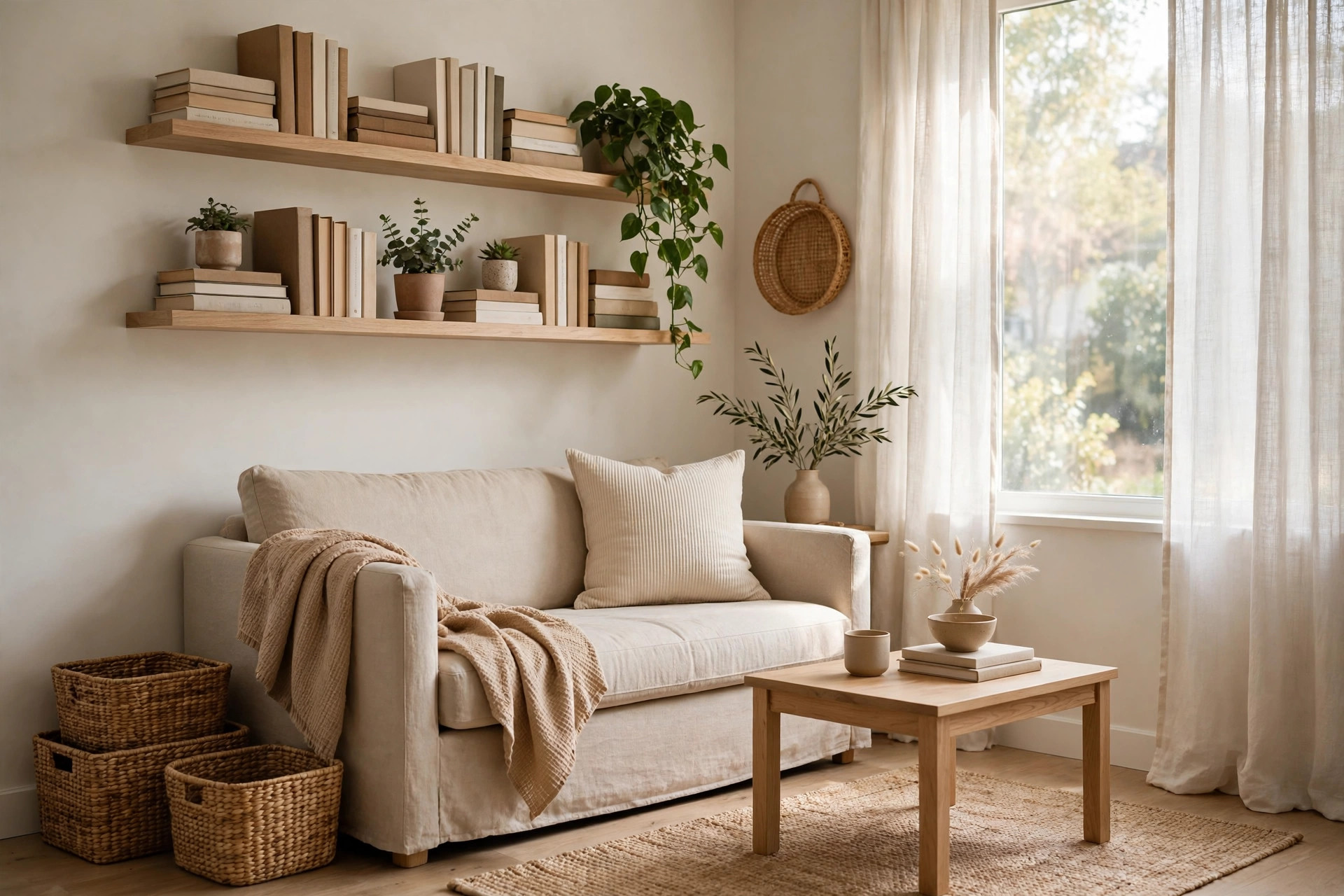
1. Go Vertical: Your Walls Are Free Storage
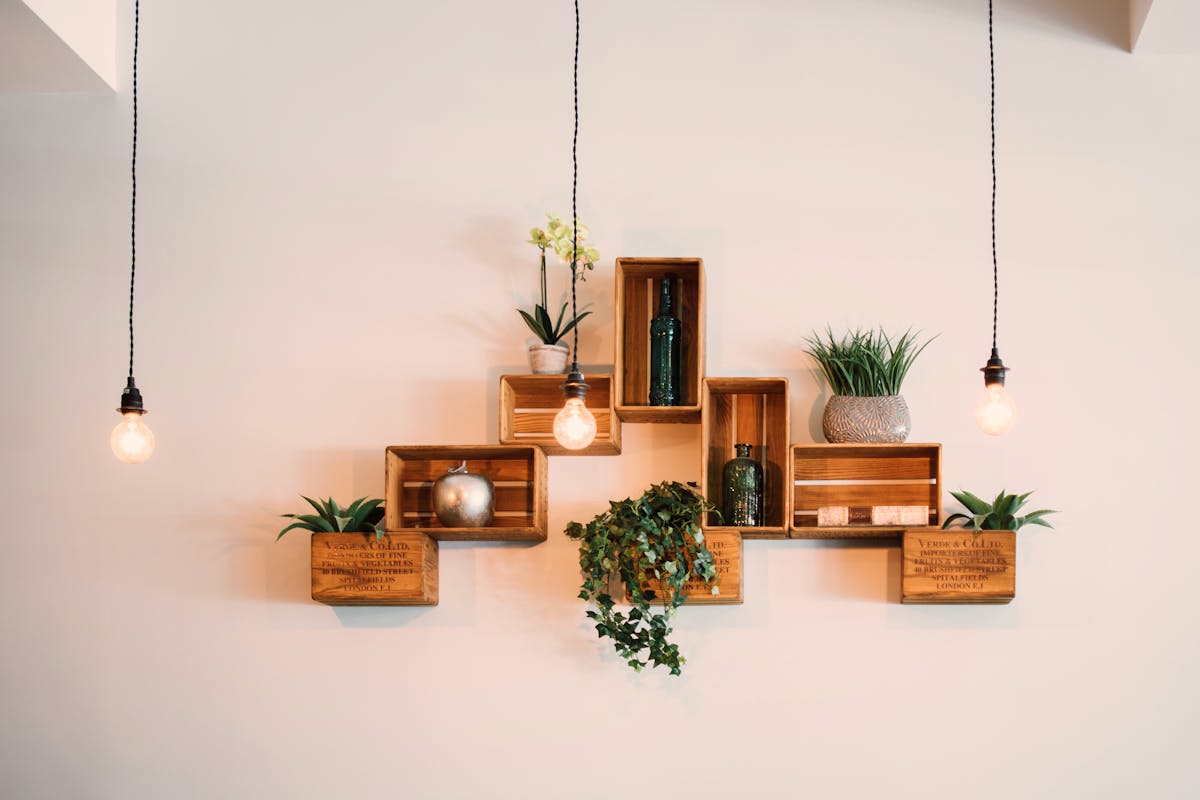
The biggest storage zone in a no-storage apartment is the wall above eye level. Floating shelves, wall-mounted crate shelves, and tall narrow bookcases hold a surprising amount without eating floor space. Keep daily items between waist and eye level; rarely used things go up high in labeled boxes. Renters: use adhesive hooks, or lean a tall ladder shelf against the wall.
2. Put the Backs of Doors to Work
Every door is a storage surface you are probably ignoring. An over-the-door rack on the bedroom door holds shoes, bags, or cleaning supplies; the bathroom door takes towels and robes. Inside cabinet doors, adhesive hooks or a slim rail hold measuring cups, lids, and dishcloths. Measure the door first — a rack that is too wide stops it closing. More renter-safe options: our over-the-door storage ideas.
3. Claim the Space Under Your Bed
The area under the bed is often the largest unused storage zone in a small apartment. Low-profile lidded bins or rolling drawers slide under most frames and hold off-season clothes, extra bedding, or shoes. Bed risers add clearance for a few dollars if your bed sits low. Measure first — a bin that is too tall simply will not slide. See our under-bed storage ideas for bin types that fit.
4. Use the Space Above Cabinets and the Fridge
The gap above kitchen cabinets holds baking trays, cereal boxes, and snack baskets; the top of the fridge holds rarely used gadgets or cookbooks. Keep a step stool nearby, and store only weekly-or-less items up high.
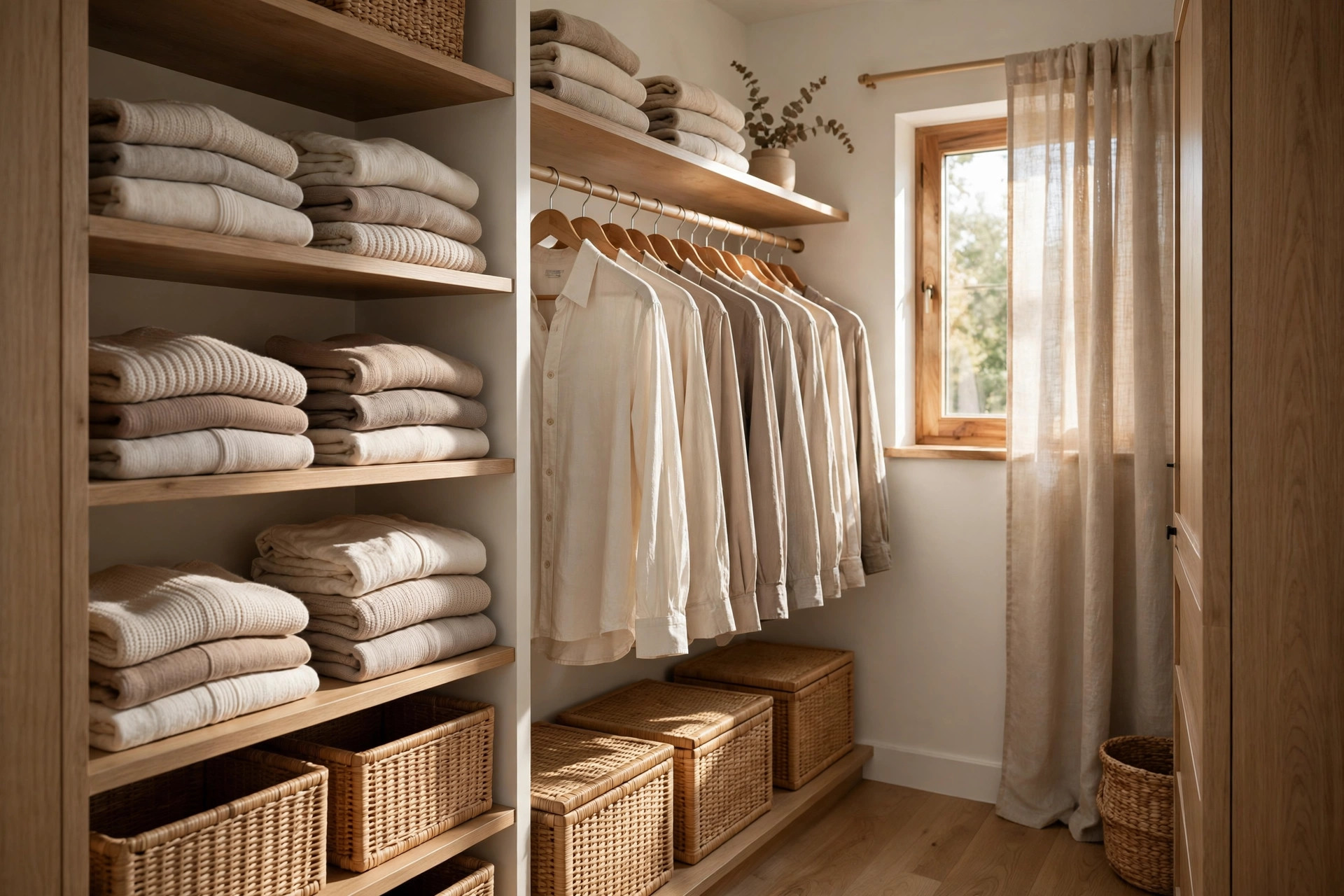
5. Double Your Closet (Even a Tiny One)
Treat a small closet like a system, not a pile. A tension rod hung lower creates a second hanging bar for shirts and skirts. A slim shelf tower or stackable bins use the closet floor, where shoes and folded clothes usually end up in a heap. Slim velvet hangers fit roughly a third more clothes on the same rod.
6. Buy Furniture That Stores Things
When floor space is scarce, every piece of furniture should pull double duty. A storage ottoman holds blankets and doubles as a coffee table. A bench with a lift-up seat hides shoes by the door. A bed with drawers underneath replaces a whole dresser. Before buying, measure twice.
7. Slide Rolling Carts Into the Gaps
Every small apartment has slivers of dead space: beside the fridge, next to the toilet, between bed and wall. A slim rolling cart fits exactly there, holding toiletries, cleaning supplies, or spices — and rolls away when you do not need it.
8. Build a Drop Zone at the Door
Most small apartments have no real entryway, just a door into the living room. That makes the first three feet inside the door the most important zone in the home: whatever you do not deal with at the door ends up everywhere else. A narrow shelf, three wall hooks, and a basket for shoes is all it takes. Our renter-friendly storage ideas show drop-zone setups that need zero drilling.
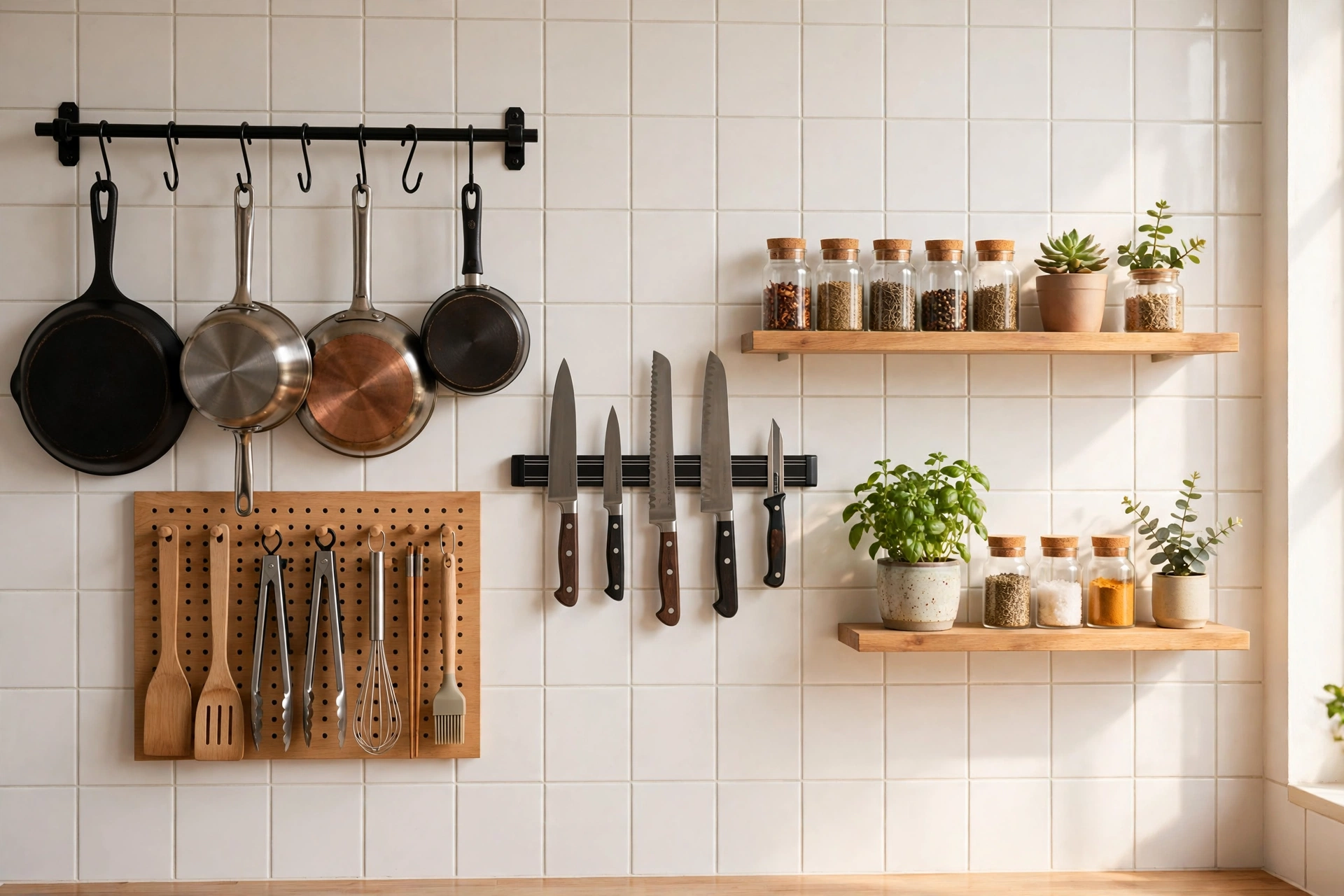
9. Zone the Kitchen by Task, Not by Shelf
With no pantry, every item must live near where it is used: cooking tools beside the stove, prep tools beside the counter, cleaning supplies under the sink. Give each group one home — a basket, a tray, or a shelf — and keep one tray on the counter for oil, salt, and pepper.
10. Take the Bathroom Vertical Too
Go up: a shelf unit or wall cabinet over the toilet adds the shelving most tiny bathrooms lack, and a tension rod under the sink holds spray bottles by their triggers. Keep only daily items on the counter.
11. No Closet at All? Build a Wardrobe That Is Not a Closet
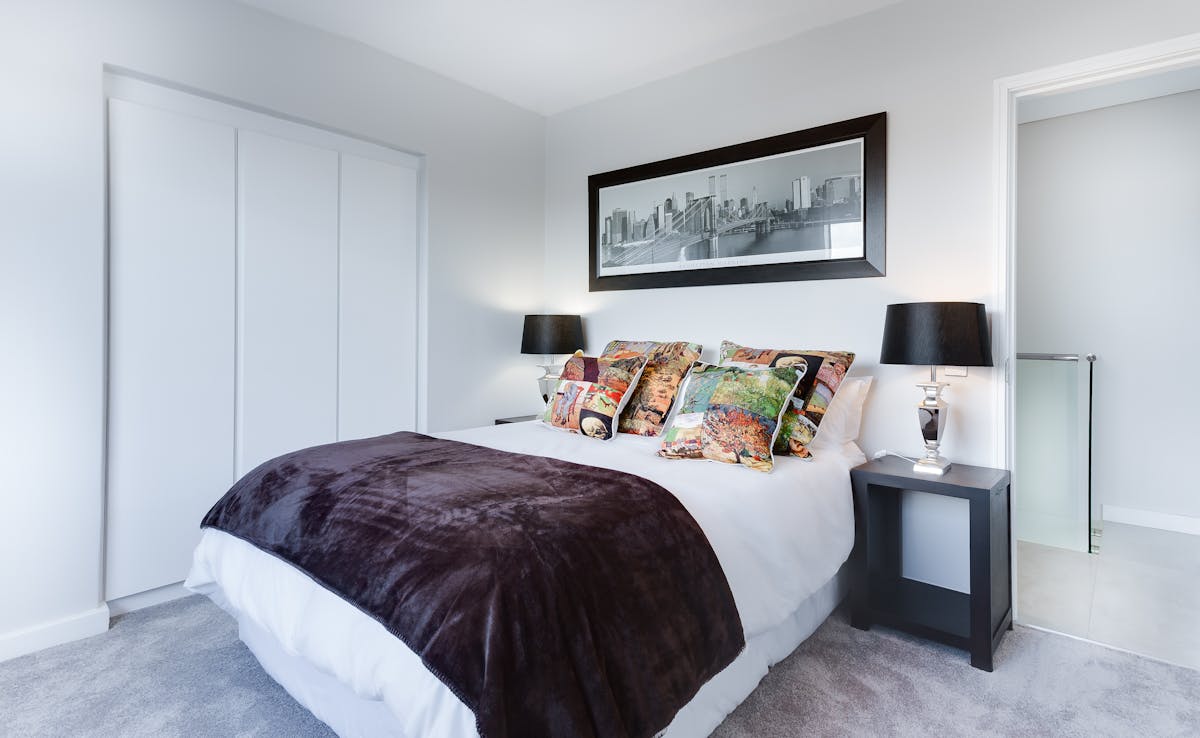
Some apartments have zero closets — and people still live in them happily. The fix is a freestanding wardrobe: a garment rack with a fabric cover, a slim wardrobe, or a sturdy clothing rack tucked behind a curtain or room divider. One renter in a 450-square-foot New York apartment with no closets built her whole wardrobe this way. Read her story on Apartment Therapy. Daily clothes at eye level, off-season above, shoes below.
12. Hunt the Hidden Spots
Once the obvious zones are used, walk your apartment with fresh eyes and look for the spots you step past every day: the top of a tall bookcase, the gap above the bathroom door, a deep windowsill, the corner behind the sofa. Each one holds a basket or a box. Our storage ideas for awkward spaces map corners, nooks, and gaps room by room.
13. Keep It With the 10-Minute Reset
Organization is a habit, not a one-time project. The most reliable maintenance tool is a 10-minute evening reset: one pass, every evening, returning everything to its place. Pair it with one-in-one-out — when something new comes in, something old goes out.
"In a small apartment, storage is not something the building gives you. It is something you build, one hidden spot at a time."
Budget tip: Start with what you already own: jars, baskets, shoeboxes, and tote bags work as bins. Most no-storage apartments need fewer than five purchased organizers.
The No-Storage Checklist (Save This)
- Purge first: one category at a time, 12-month rule.
- Measure every gap before buying anything.
- Go vertical: one shelf wall per room.
- Use door backs: racks and hooks.
- Claim under-bed space with labeled bins.
- Fill cabinet and fridge tops with rarely used items.
- Double closet space with a second rod and slim hangers.
- Choose storage furniture: ottoman, bench, or under-bed drawers.
- Slide rolling carts into gaps beside the fridge.
- Build a drop zone at the door: hooks, shelf, shoe basket.
- Zone the kitchen by task; keep counters clear.
- Take the bathroom vertical: over-toilet shelf, under-sink tension rod.
- Run the 10-minute reset and one-in-one-out daily.
Frequently Asked Questions
How do you organize a small apartment with no storage?
Start by decluttering, then add storage in the hidden zones: walls, door backs, under the bed, above cabinets, and inside furniture that doubles as storage.
What is the cheapest way to add storage to a rental?
Use what you own — baskets, jars, shoeboxes as bins — then add adhesive hooks, over-the-door racks, and tension rods. All are renter-safe, cost a few dollars, and leave no damage.
How do I store clothes with no closet?
Use a freestanding garment rack or slim wardrobe with a second rod and labeled boxes on top. Daily clothes at eye level, off-season above, shoes below; a curtain or divider hides the rack in a studio.
How do I keep a no-storage apartment organized long term?
Run a 10-minute evening reset daily and follow the one-in-one-out rule so new items never pile up.
Apartment Therapy's 10 best storage ideas for small spaces covers the same principles with real-home examples.