

Every small home has a secret room hiding in plain sight: the attic. It adds storage without taking a single square foot from your living area — yet most attics end up as a dusty pile of mystery boxes you avoid. These attic storage ideas for small homes change that. They turn the space above your head into a labeled, reachable storage zone, using cheap materials. No remodel, no big budget.
The trick is not buying more bins. Treat the attic like a system: check safety first, give every category a zone, and only store what can survive up there.
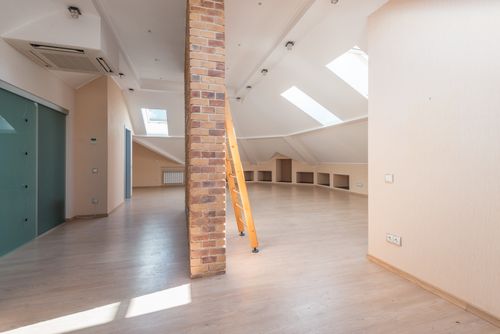
First: The 5-Minute Attic Safety Check
Before a single box goes up, spend five minutes on safety.
- Walk only on joists or flooring. The ceiling below is just drywall between the joists. Step on a joist, or lay a plank across two joists.
- Check the load. Most attic floors are built for light storage only. Keep heavy items low, near load-bearing walls. Unsure? Ask a contractor first.
- Look for leaks and daylight. Stains on the wood, damp insulation, or daylight through the roof mean water is getting in. Fix that first.
- Test the access. If your only way up is a wobbly ladder or tiny hatch, store light bins only — or budget for a sturdier ladder.
- Feel the heat. Unfinished attics swing from freezing to roasting — fine for luggage and decor, terrible for photos and electronics.
12 Attic Storage Ideas for Small Homes
1. Lay Plywood Platforms Over the Joists
Never set a box on insulation or on the ceiling drywall between joists — the weight can crack the ceiling below. A few sheets of plywood across the joists give you a safe, flat floor.
2. Zone the Attic Like a Tiny Warehouse
With no walls, zones do the organizing. Shelving goes at the tall center under the ridge, flat things along the low eaves, and everyday items right by the hatch. Give every category a home zone.
3. Swap Cardboard for Clear, Lidded, Stackable Bins
Cardboard sags in humidity, invites pests, and hides contents. Clear bins with snap-on lids solve all three: you see inside without opening, lids keep dust out, and matching bins stack neatly.
4. Label Every Bin on Two Sides
A label on one side is useless when bins are stacked three high. Label the front and one end in big print. Photograph each bin's contents for one album.
5. Put the Eaves to Work With Shallow Storage
The triangle under the eaves sits empty because nothing tall fits there. That is where flat things belong: wrapping paper, picture frames, flat holiday decor. Shallow bins slide in and reclaim the space.

6. Place a Metal Shelving Unit Under the Ridge
The center, right under the ridge, is the only spot with full standing height — so that is where shelving goes. A metal rack keeps bins off the floor and uses vertical space — heaviest bins on the bottom.
7. Vacuum-Seal Bulky Textiles
Blankets, winter coats, and sleeping bags eat attic space fast. Vacuum bags squeeze them to a fraction of their size and protect against dust and damp. Never seal anything damp — it will mildew.
8. Hang Gear From the Rafters
Exposed beams are free storage rails. Screw-in hooks hold wreaths, fishing rods, camping chairs, and extension cords off the floor. Keep hanging items light and high.
9. Build a Holiday-Decor Station by the Hatch
Holiday decor is the classic attic item — used once a year, bulky the other eleven months. Give it one zone by the hatch, one bin per holiday. Our guide to seasonal decoration storage for small homes shows how to sort it so nothing breaks.
10. Slide Rolling Bins Under the Lowest Eaves
The knee-wall strip where the roof nearly meets the floor is too low to stand in, but perfect for shallow rolling bins on casters. Shoes, board games, and craft supplies slide in and out without crawling. Leave a clear crawl path.
11. Light It Up and Make Access Easy
Most attics have one dim bulb, which is why boxes end up dumped by the hatch. Battery LED strips along the ridge cost little and change everything — you can finally see labels and walk safely. Add a sturdy folding ladder.
12. Keep One Clear Walkway and Audit Once a Year
The best attic system fails the moment boxes block the path. Leave one clear walkway from the hatch to the back wall and never stack anything in it. Once a year, audit: untouched for a year with no keepsake value? It leaves. Our downsizing checklist helps decide.
"An attic should work like a library, not a landfill — everything labeled, everything reachable, nothing forgotten."
Quick tip: Measure your attic hatch before you buy a single bin — one that does not fit through the opening is useless.
What to Store in an Attic — and What to Skip
The rule is simple: if heat, cold, or damp would damage it, keep it in the house.
Safe to store: seasonal and holiday decorations; luggage and travel bags; camping gear and sports equipment; out-of-season clothes in sealed bags or bins; books, if the attic stays dry; keepsakes in airtight bins — not cardboard.
Never store in an attic: photographs, negatives, and important papers; electronics; candles, which melt in summer heat; leather, fur, and delicate fabrics; paint, aerosols, and chemicals; anything perishable.
Be intentional about what goes up there, and check the space after the first hot summer and cold winter. Public Storage's guide to organizing an attic covers bins, labels, and zones with a professional organizer's take, and the real-life setups at Heathered Nest show the ideas in finished homes. If the garage is full too, our small garage organization ideas on a budget can free up space downstairs first.
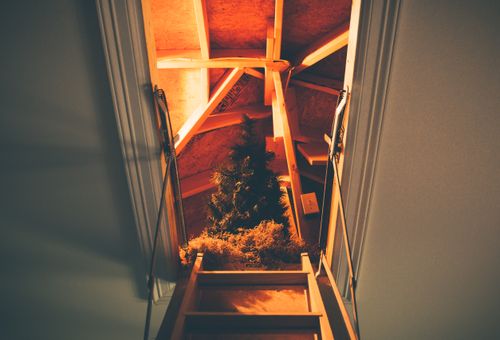
Your Printable Attic Setup Checklist
- ☐ Safety check done: joists, leaks, heat, access
- ☐ Plywood platforms laid over joists
- ☐ Zones marked: tall center, low eaves, near-hatch
- ☐ Cardboard swapped for clear, lidded bins
- ☐ Every bin labeled on two sides, contents photographed
- ☐ Flat items in the eaves; gear on rafter hooks
- ☐ LED lights installed; walkway left clear
- ☐ Nothing on the never-store list is up there
- ☐ Yearly audit date on the calendar
Frequently Asked Questions
Can I store things in an unfinished attic?
Yes, if the structure allows it. Lay plywood platforms over the joists so weight rests on the joists, keep loads light and spread out, and store only items that handle temperature swings. Unsure? Ask a contractor.
How much weight can an attic floor hold?
Many attics are built with ceiling joists meant to hold the ceiling, not storage, so there is no single safe number. Keep heavy items low and near load-bearing walls, and never stack heavy bins high. When in doubt, get a professional opinion.
What should you never store in an attic?
Photographs, important papers, electronics, candles, leather, and anything perishable. Attics swing between hot and cold and often get damp, which fades photos, warps electronics, melts candles, and grows mold on paper and fabric. Keep those inside the house.
How do I keep pests and moisture out of attic storage?
Use sealed plastic bins instead of cardboard, which pests and moisture ruin. Check the roof for leaks before storing, keep vents clear so air moves, and inspect bins once a year for droppings or damp. Never store food or anything scented up there.
Your attic does not need a renovation to be useful — just a floor you can trust, zones you can remember, bins you can see into, and a firm rule about what never goes up there. Start with the safety check this weekend, one category at a time.