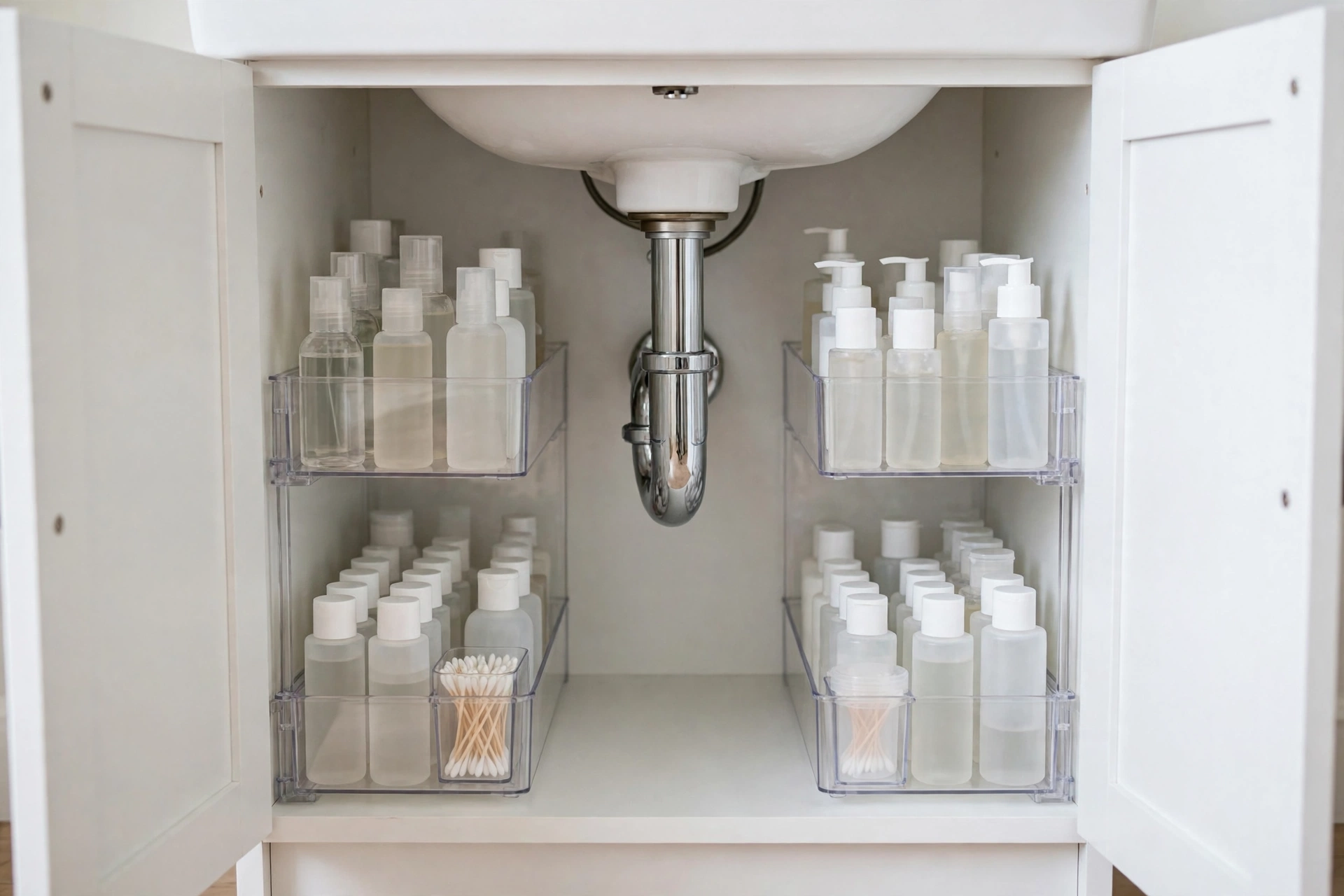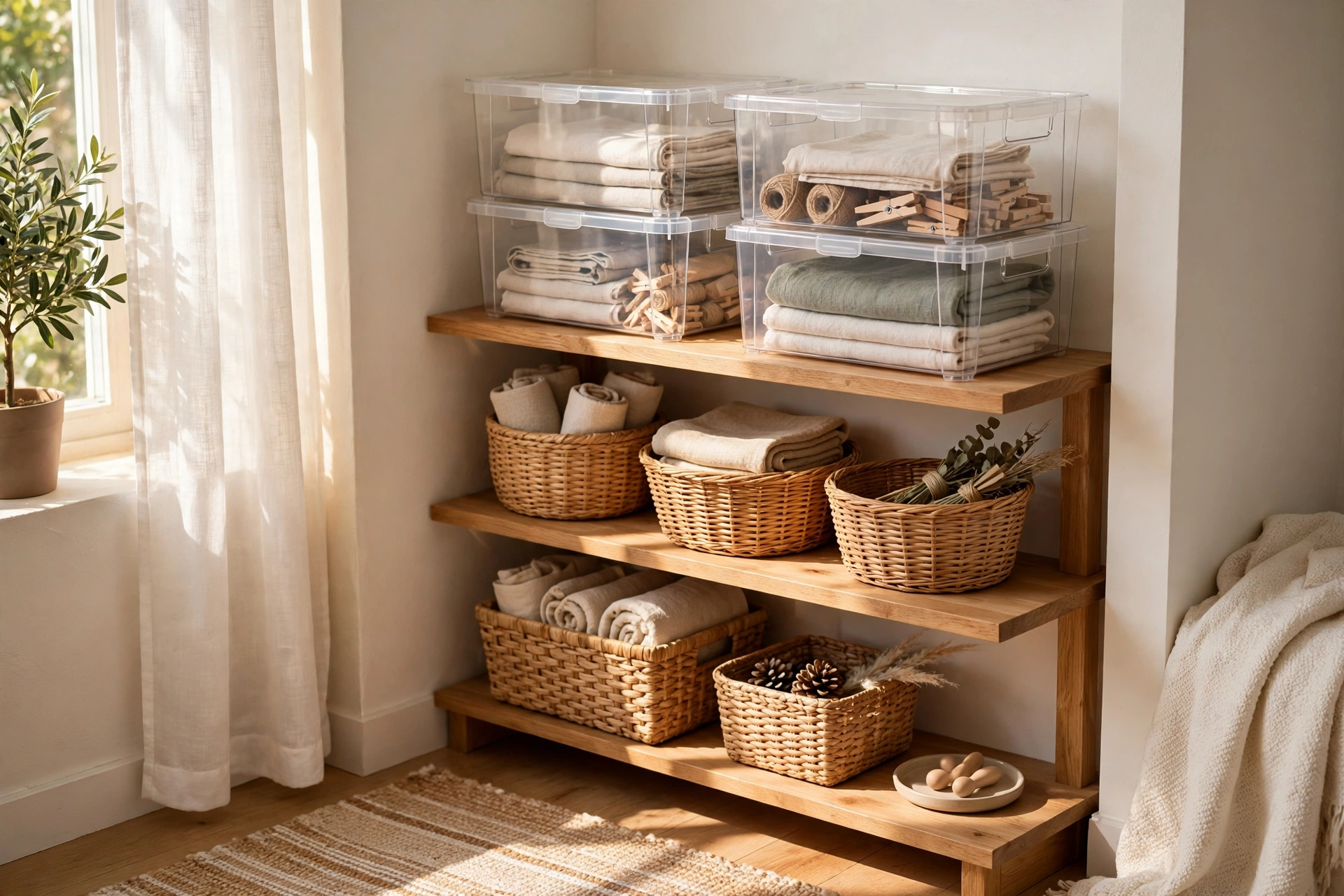
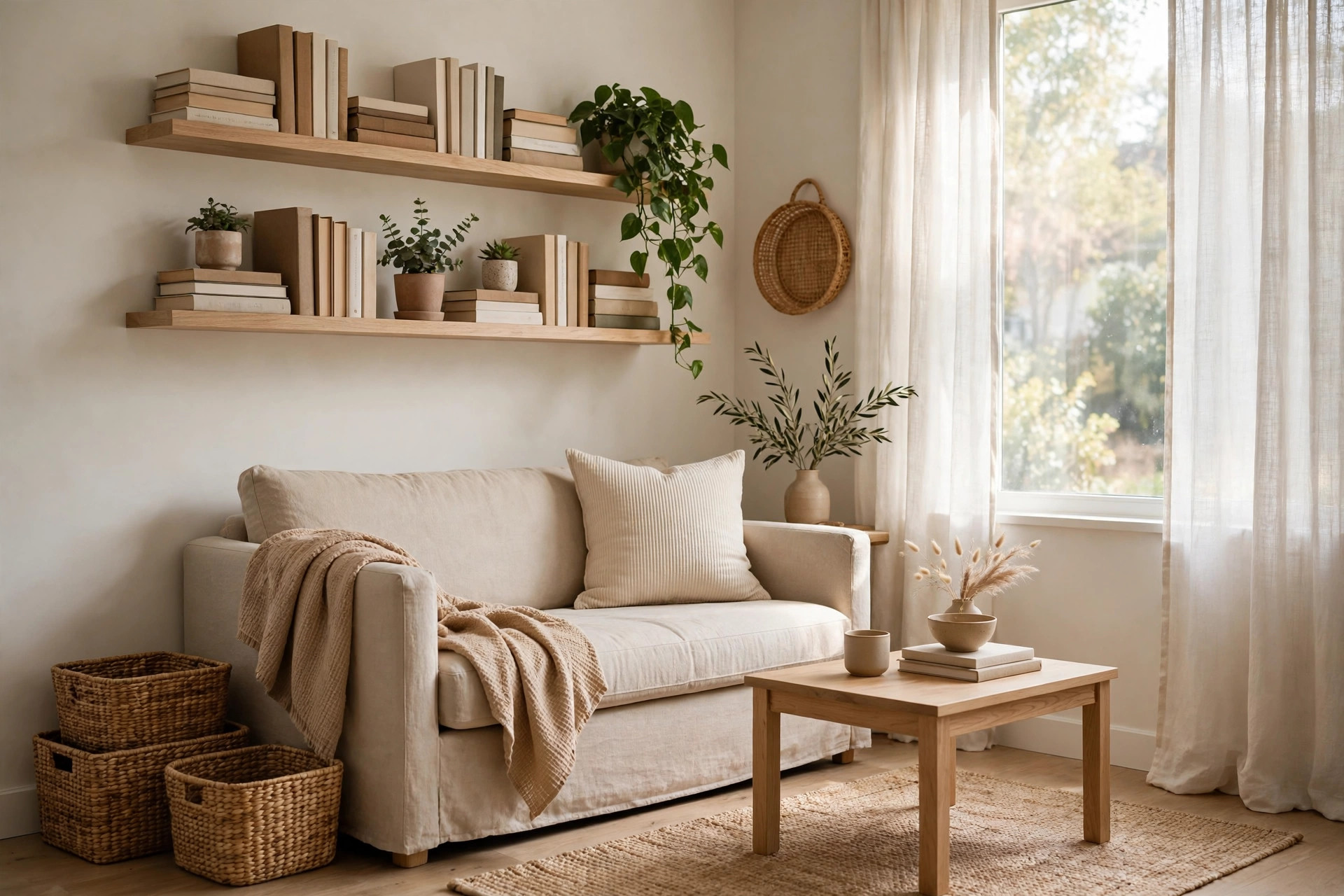
That triangular wedge of darkness under your staircase is probably the most wasted real estate in your home. The right under stairs storage ideas can win you the equivalent of a whole extra closet — roughly 15–30 cubic feet — without moving a wall. Below: a 7-step planning method, then 13 practical ideas from free to full-custom, with renter-safe options flagged.
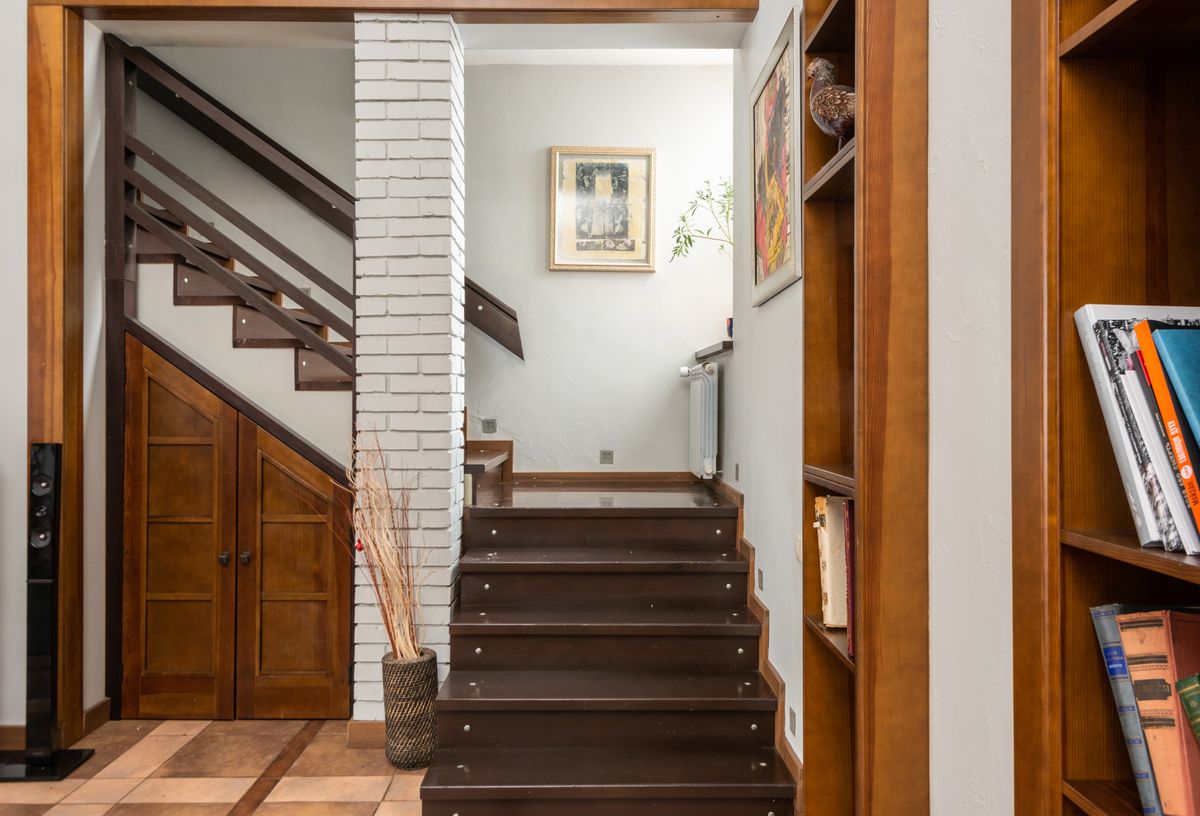
Why the Space Under Your Stairs Deserves a Plan
The under-stairs cavity has a sloping ceiling and irregular footprint — which is why people give up on it. But the shape is predictable: tall end fits coats or a vacuum, mid-slope fits drawers and shoe cubbies, low back corner fits seasonal boxes. Decide the purpose first, and the purchases make themselves.
The 7-Step Under-Stairs Planning Method
About an hour of work that prevents the classic failure: mismatched bins that never fit the slope.
1. Measure the slope honestly
Record width, depth, and ceiling height at the tall and low ends. That minimum height decides everything: 5+ feet takes coats and a vacuum, 2.5–4 feet takes drawers and shoe cubbies, under 2.5 feet is for seasonal boxes.
2. Choose ONE purpose
Match the space to the nearest room: front-door stairs → coat and shoe zone; kitchen-adjacent → pantry; living-room stairs → books and media.
3. Check renter rules and basics
Check for moisture, and note any electrical panel or water shut-off (those must stay accessible). Most leases allow tension-rod curtains, freestanding shelves, and removable adhesive hooks.
4. Decide open vs. closed storage
Open shelves cost less but show clutter in a sloped cavity; closed storage (drawers, doors, curtain) keeps the area calm. Open for books and display, closed for coats and anything messy.
5. Pick a budget tier
Free: re-home what you own — a spare bookcase, labeled boxes. Budget ($30–$150): tension-rod curtain, cube shelf, stackable bins, stick-on battery light. Investment ($500+): custom drawers — only if you own the home.
6. Declutter the space first
Pull everything out and sort ruthlessly — new shelves in a space full of old junk just organize the clutter.
7. Add light
A dark cavity becomes dead space within weeks. A $10 battery motion-sensor light makes it usable, and small gaps between bins keep air circulating.
"The space under your stairs isn't awkward — it's just storage that hasn't been measured yet."
13 Under-Stairs Storage Ideas That Actually Work
1. Pull-out shoe drawer bank
The mid-slope zone is drawer-height gold: 2–4 deep drawers can hold 20+ pairs of shoes. On a budget, stackable wheeled bins pushed into the slope work well — see our shoe storage guide.
2. A proper under-stairs coat closet
Stairs near the front door make the highest-value conversion: one hanging rod at the tall end plus a shelf above handles coats, bags, and hats. Add removable hooks at kid height — see our entryway organization ideas for the area outside the closet.
3. Hidden pantry for kitchen-adjacent stairs
Slim rolling carts slide into the deep slope and hold canned goods, bulk snacks, and paper towels. Store only sealed, dry goods — check for dampness first — and leave gaps for airflow.
4. Floating shelves that follow the slope
Chunky floating shelves stepped to follow the stair angle turn a dead wall into a design feature for books and decor. For rentals, rest shelves on a freestanding ladder frame or use heavy-duty removable adhesive strips.
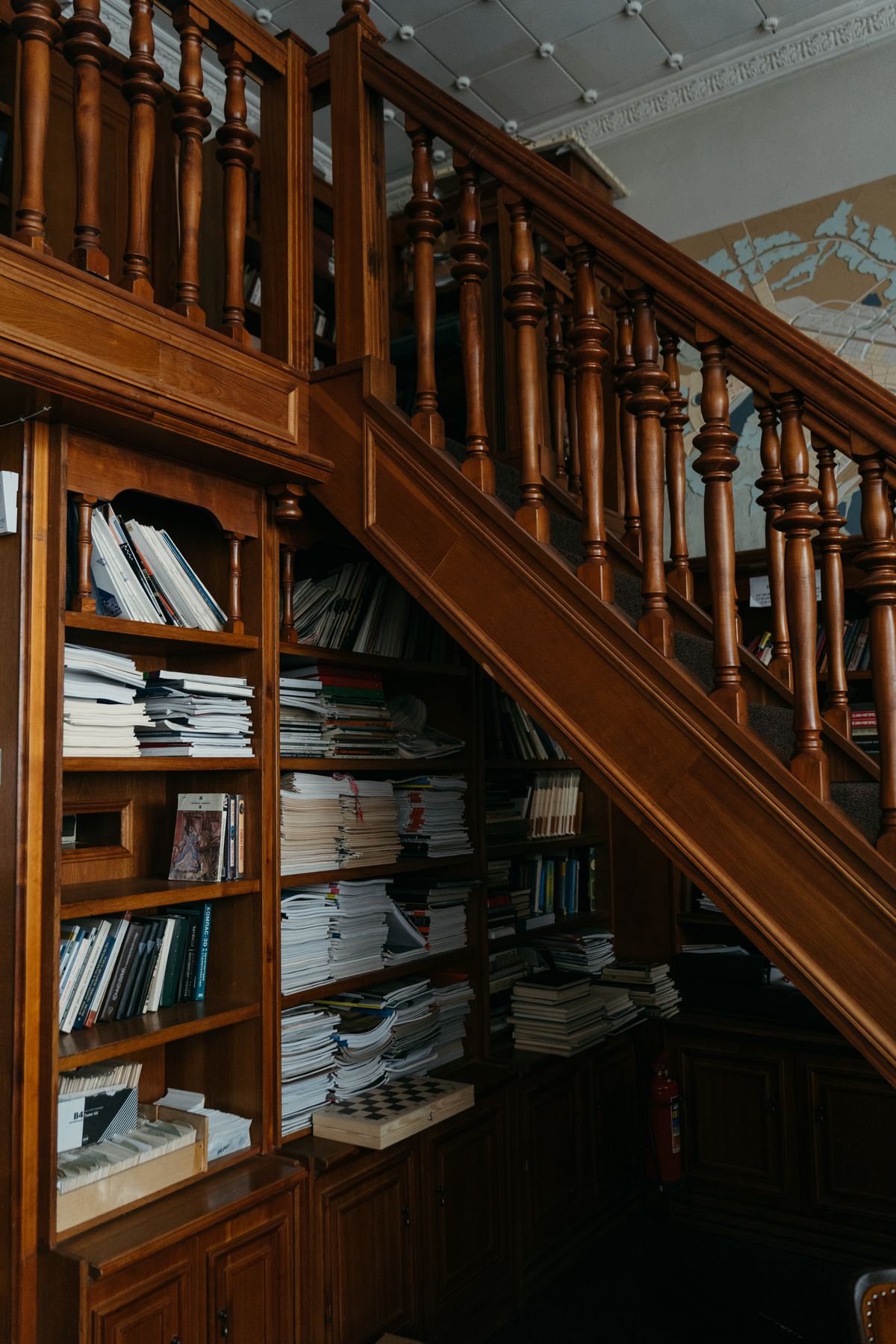
5. Compact office nook
A floating desk board, one shelf above, and a battery light turn the tall end into a usable workspace. Confirm 30 inches of clear depth, pick a stool that tucks underneath, and use the cable system in our small home office guide.
6. Cleaning-supply station
The tall end swallows a vacuum, mop, and broom. Add a wall caddy for sprays and hide it all behind a tension-rod curtain — zero cost if you already own the rod and curtain.
7. Kids' toy garage with a curtain
Low-slope space is kid height: low bins for toys and art supplies, hidden behind a tension-rod curtain for guests. Give each bin one category so cleanup is one decision per item.
8. Seasonal storage at the back
The lowest back corner — where standing is impossible — is where twice-a-year items belong. Label clear bins by season, slide them in deepest, and tape a list to the front bin so you never open six boxes for one wreath.
9. Linen and backstock overflow
Spare sheets, towels, and bulk toilet paper don't care about low ceilings. Use lidded bins against dust, and keep one open bin at the front for daily access.
10. Entryway drop zone with a bench
A bench with lift-up storage plus wall hooks above turns front-door stairs into a mini mudroom — the same grab-and-go logic as our over-the-door storage ideas.
11. Wine rack or display shelves
The cavity is naturally cool, dark, and stable — ideal for a simple X-frame wine rack. Keep bottles away from heat sources like boilers, and don't bury everyday bottles in the hardest-to-reach corner.
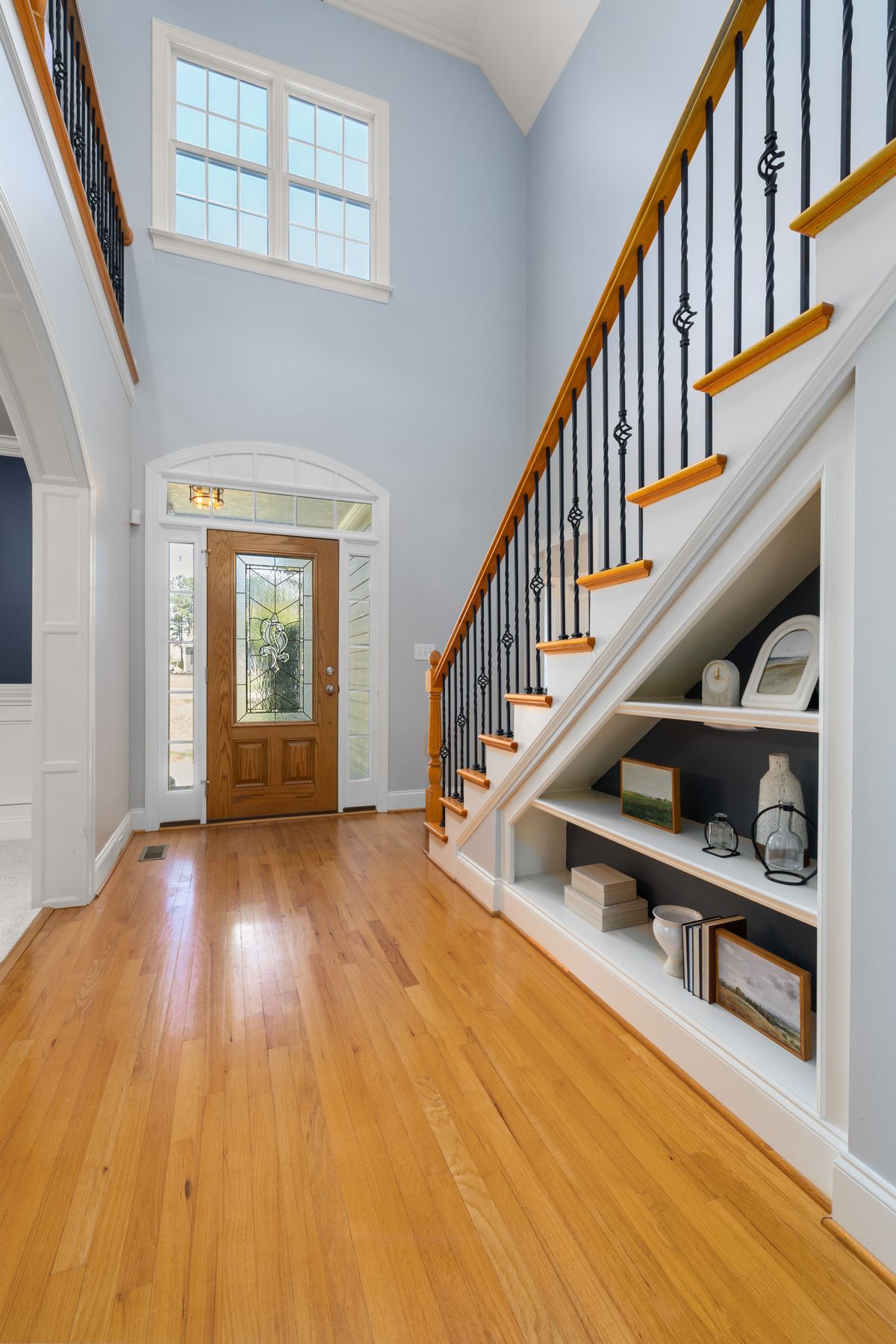
12. Pet zone: feeding station or den
The low back area makes a good pet nook: bowls in a washable tray, a bed in the alcove, leashes on a hook at the front — a consistent home base that gets bowls out of the walkway.
13. Stair-drawer stairs (owner option)
For homeowners with open-riser stairs, replacing some steps with pull-out drawers adds the equivalent of a dresser. Expect $500–$2,000 — sketch your measurements and get two carpenter quotes first.
Renter-Safe vs. Owner Upgrades
No drilling: cube shelves, stackable bins, tension-rod curtains, rolling carts, battery lights — ideas 2, 6, 7, and 10 all work at this level. For owners: floating shelves on studs, pull-out drawer banks, a wired light, a proper closet door.
Two Safety Rules
First, never block electrical panels, water shut-offs, or gas meters — these often live under stairs and codes require clear access. Second, keep bins inside the cavity, not the walkway. If the space smells musty, fix the moisture before storing fabric or paper.
Frequently Asked Questions
How do I measure the space under my stairs for storage?
Measure width, depth, and ceiling height at the tall and low ends. That minimum height decides everything: 5+ feet fits coats and a vacuum; 2.5–4 feet fits drawers and shoe cubbies; under 2.5 feet is for seasonal boxes.
Can I use the space under the stairs if I rent?
Yes — the best options need zero drilling: freestanding shelves, stackable bins, slim rolling carts, tension-rod curtains, battery lights. Check your lease's wall-mounting rules, keep electrical panels accessible, and photograph the space for a clean move-out.
Is it safe to store food or linens under the stairs?
Only sealed, dry goods — and only after a moisture check. Tape clear plastic to the wall for 24 hours; condensation means it's too damp until you fix ventilation. For linens, use lidded bins, and never block electrical panels or shut-off valves.
What is the best use for under-stairs space in a small home?
Match it to the nearest room: front-door stairs become a coat and shoe zone, kitchen-adjacent stairs become a pantry, living-room stairs become bookshelves. Storage you walk past daily is storage you maintain. For design angles see The Spruce's under-stair roundup, and for measuring detail Public Storage's planning guide.
The Bottom Line
You don't need custom carpentry — you need measurements, one clear purpose, and a $10 motion-sensor light. Start free: pull everything out, declutter, tape your zones on the floor, and move in what you already own.