A dog or cat doesn't need much floor space — but their stuff does. Leash by the door, kibble in the kitchen, treats in three drawers, toys under the furniture. If you're searching for pet supply storage ideas for small apartments that don't eat your budget or your security deposit, these thirteen ideas corral every item into tidy, renter-safe homes.
The 5 Rules of Small-Apartment Pet Storage
Before you buy a single bin, these rules decide whether your system survives the week or quietly collapses back into clutter:
1. Zone by routine, not by room. Pet supplies get used in four routines: feeding, walking, grooming, and play. Store each group's items where the routine happens — bowls near food, leash by the door — instead of piling everything in one closet. Inspired Closets breaks this down in their room-by-room pet storage guide: items live where you use them.
2. One container per category. Food, treats, toys, grooming, walking gear, backup supplies. Six categories, six containers — when a container is full, something leaves before something new comes in.
3. Renters: nothing permanent. Every idea below uses freestanding furniture, over-the-door hooks, tension rods, or damage-free adhesive. See our renter-friendly storage ideas guide for more no-drill wins.
4. Daily vs. backup is the great divide. Daily gear (leash, today's food, a few toys) gets prime real estate. Backup supplies (bulk food, seasonal gear, spare leash) go to hidden storage.
5. Audit first. Dump all the pet stuff on the floor, toss broken toys and expired treats, and count what's left. It usually reveals duplicates you were storing without knowing.
13 Pet Supply Storage Ideas for Small Apartments
1. The grab-and-go walking station
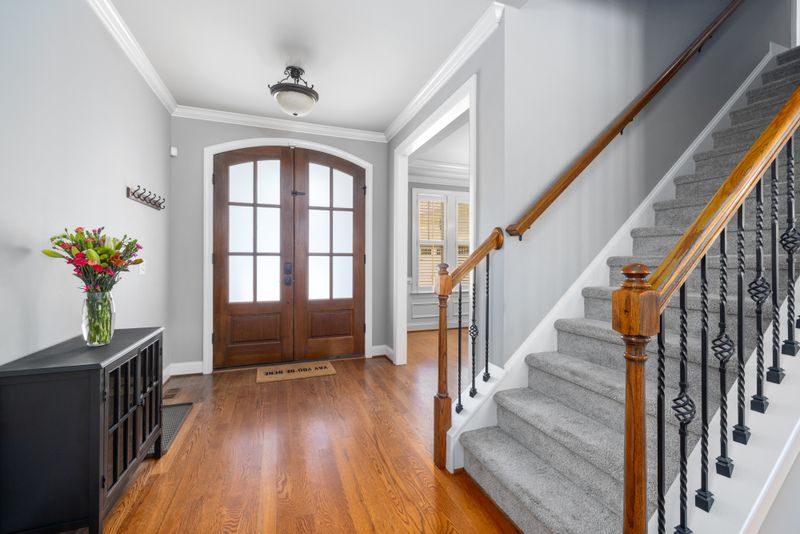
Mount two or three adhesive hooks by the front door for the leash, harness, and collar, plus a small basket for poop bags and a treat pouch. Everything for a walk lives in one grab spot — the highest-impact idea here.
2. Over-the-door pocket organizer
A clear over-the-door shoe organizer is a pet-supply superhero: treats in the top pockets, poop bag rolls and wipes in the middle, brushes and nail clippers at the bottom. Zero floor space, a few dollars. More no-tools placements in our over-the-door storage guide.

3. Airtight food bins that stack
Kibble stays fresher in an airtight container, and square stackable bins fit cabinets far better than round buckets. Decant one month of food into a bin and stash the sealed backup bag in hidden storage — bulk bags don't belong on the kitchen floor.
4. One basket for toys (and a rotation box in the closet)
Toys are the biggest pet-clutter culprit because they migrate. Keep one small basket — small on purpose — in the living area and enforce its limit: when it overflows, toys move to the closet rotation box. Swap a few weekly and they feel new again.
5. Feeding station on a washable mat
A low-sided tray or washable mat under the bowls contains kibble scatter and water drips in one wipeable zone. Tuck it into the least-trafficked kitchen corner, or under a console table in a studio. Bowls always return to the mat — no mat, no bowls.
6. Grooming caddy that travels
Brush, nail clippers, ear wipes, and shampoo live together in one handled caddy. It stores on a bathroom shelf and travels to wherever grooming happens, then goes straight back — no more hunting three rooms for the brush.
7. Litter station inside a cabinet or bench
A lidded storage bench or ventilated cabinet gives the litter box a home that doesn't look like one, with usable surface on top. Keep a scoop caddy and lidded trash bin beside it. In tight bathrooms, a narrow cabinet beside the toilet often fits a standard box — measure first.
8. Under-bed bin for backup supplies
Bulk food bags, spare litter, the backup leash, seasonal coats, and the carrier all fit in one or two under-bed bins — out of sight but easy to reach. More tricks in our under-bed storage ideas guide.
9. Leash and collar hooks on furniture sides
No free wall by the door? Stick an adhesive hook on the side of a bookcase or console table near the entrance. One hook per pet keeps leashes untangled — zero holes, full function.
10. Treat station in a labeled jar
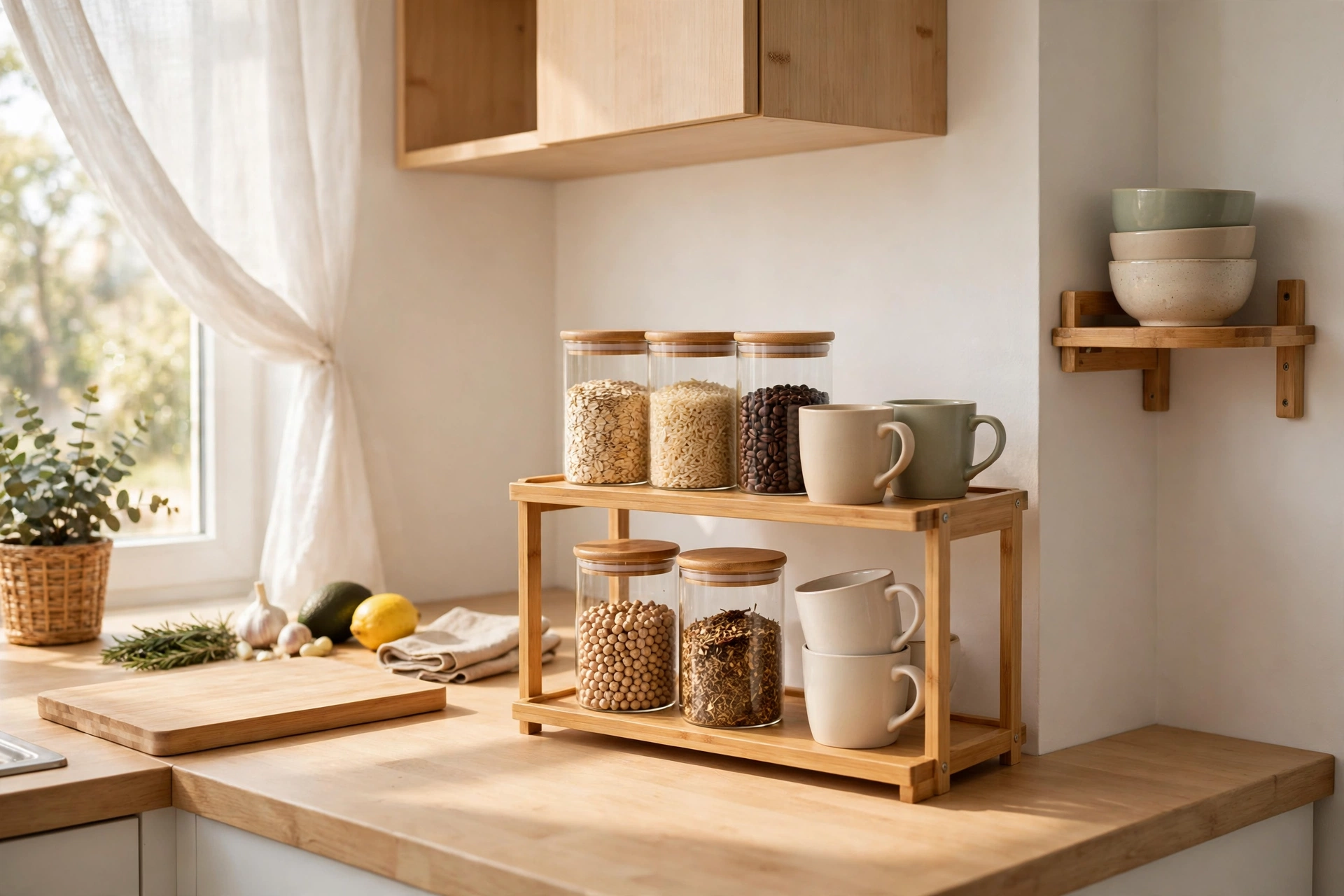
One sealed jar on the counter holds the working supply of treats; everything else stays sealed in the backup bin. Label it so housemates and pet sitters grab the right thing — and so you notice when it's time to restock.
11. Toy hammock or wall basket for stuffed toys
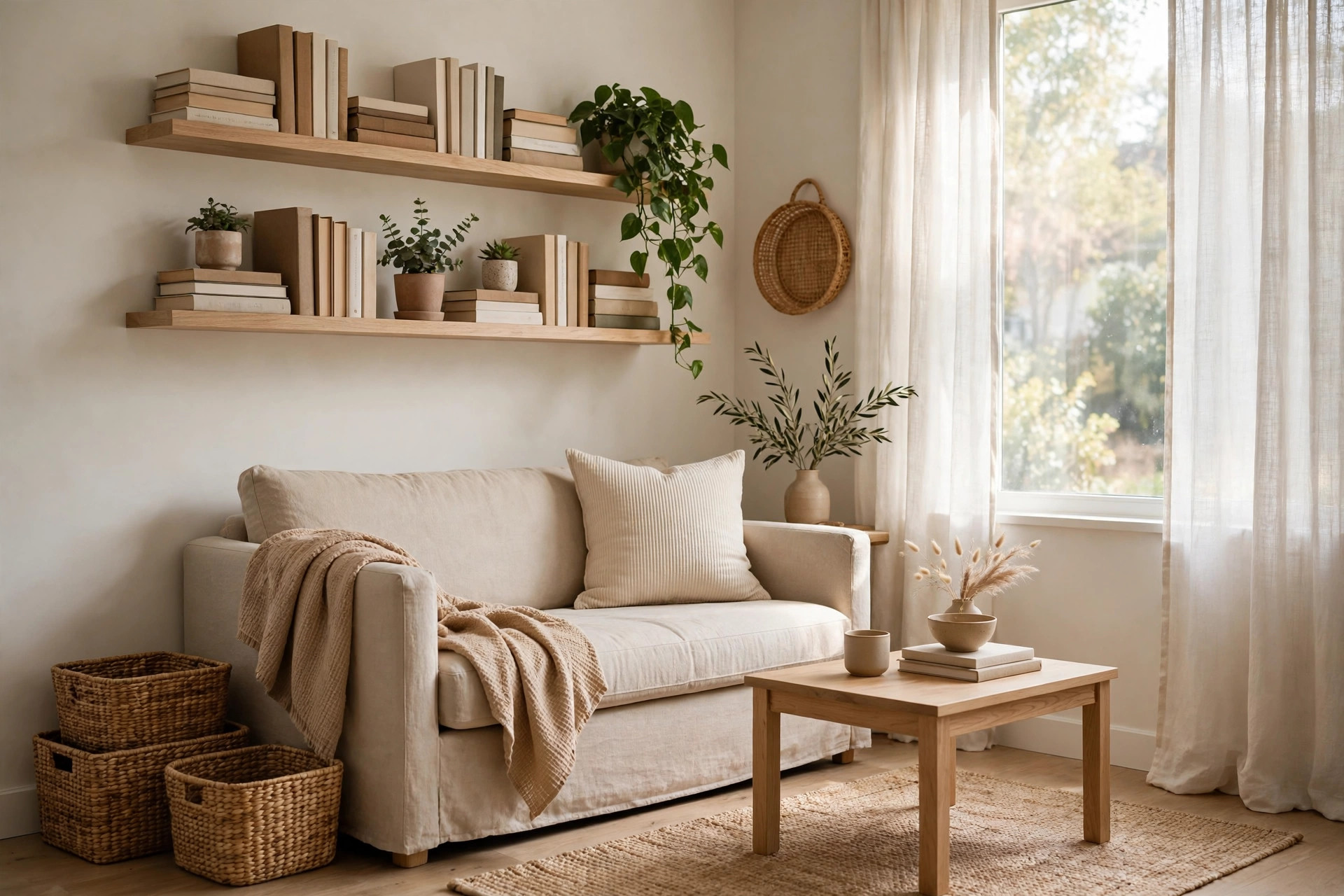
A small hanging basket gets plush toys off the floor while doubling as decor — and because it's visible, you'll spot when the collection needs a cull.
12. Cleaning kit in one lidded bin
Enzyme cleaner, pet-safe wipes, lint rollers, and extra trash bags belong in one lidded bin under the sink or in the bathroom. Rent Bottom Line's apartment guide for dog owners makes the same point: a contained cleanup kit beats supplies scattered across three rooms, because accidents need fast action, not a scavenger hunt.
13. The "pet drawer" in existing furniture
Dedicate one drawer — near the food, the door, or the bedside — to small daily items: the treat bag, the clicker, the spare collar. Drawer dividers keep it from becoming a junk drawer. It's the command center for everything that doesn't fit a zone.
A Renter's 30-Minute Setup Plan
Don't do all thirteen at once. Instead: (1) audit and toss (10 minutes), (2) set up the walking station by the door (10 minutes), (3) decant food into one bin and corral toys into one basket (10 minutes). Those three moves handle most visible pet clutter. Add the over-the-door organizer and grooming caddy next weekend.
"Your pet doesn't need more space — their supplies just need a smaller, smarter footprint."
Frequently Asked Questions
How do I store pet supplies in a small apartment with no extra closet?
Use the dead zones: over-the-door organizers, under-bed bins, adhesive hooks on furniture sides, and one drawer in existing furniture. Group items by routine — feeding, walking, grooming, play — and give each group a single container.
Where should I keep my dog's leash and walking gear?
By the front door, always. Two or three adhesive hooks hold the leash, harness, and collar, with a small basket for poop bags and treats. Walking gear at the exit means you never hunt for it — and the rest of the apartment stays leash-free.
How do I store cat litter in a small apartment without it taking over?
Give the litter box furniture-grade housing: a lidded storage bench or ventilated cabinet hides it and adds usable surface. Keep the working bag and a scoop caddy beside it, stash backup bags in an under-bed bin, and scoop daily — in a small space, daily scooping matters more than any product.
What's the best way to store bulk pet food in a small kitchen?
Decant one month's supply into a square, stackable, airtight bin that fits your cabinet or pantry shelf, and store the sealed backup bag in an under-bed bin or closet. Never keep the open bulk bag on the floor — it eats space, goes stale faster, and invites pests.
Pick the three moves from the 30-minute plan and do them today. You'll feel the difference every time you walk through the door and everything's already where it belongs.