The hallway is the most ignored room in a small apartment. It's where shoes pile up, bags get dumped, and mail lands in a sad heap — all in a space barely wide enough to walk through. But here's the good news: with a few narrow hallway organization ideas that cost little or nothing, that awkward corridor can become one of the hardest-working spots in your home.
I spent a week rethinking my own 3-foot-wide hallway, and it turns out you don't need renovations or fancy built-ins. You just need to use the walls, the doors, and the sliver of floor space smartly. Every idea below is budget-friendly, and almost all of them are renter-safe (no drilling required).
Narrow Hallway Organization Ideas That Cost Almost Nothing
1. Start by clearing the floor completely
Before you add a single thing, take everything out. Floor space is your hallway's scarcest resource — shoes, laundry baskets, and bags on the floor make it feel half as wide as it is. Once the floor is clear, you'll see exactly which walls have real potential. This "empty it first" habit makes every small space easier to plan.
2. Give everything a home on one wall only
Pick one wall — the longer one if there is one — and keep the other side completely bare. A hallway with storage on both sides becomes a tunnel. One working wall with hooks, a slim shelf, and a mirror gives you all the function without the squeeze.
3. Mount hooks at different heights
A row of removable adhesive hooks costs a few dollars and holds coats, bags, dog leashes, and reusable shopping bags. Mount adults' hooks at shoulder height and kids' hooks lower so little ones can hang their own jackets — it teaches them the "grab and go" habit. If your front door opens into the hallway, these hooks double as your entry station, which pairs perfectly with our entryway organization ideas.
4. Use the back of a door as a mini closet
If your hallway has a door — a bedroom door, a linen closet door, even the bathroom door — its back is free storage. An over-the-door hook rack or a slim hanging organizer can hold coats, scarves, or cleaning tools without touching a single wall. No nails, no holes, fully reversible for renters.
5. Add a shallow landing shelf for keys and mail
A narrow picture ledge or floating shelf, just 4–5 inches deep, mounted above shoulder height, becomes the spot where keys, sunglasses, and mail always land. Shallow is the key word — anything deeper eats into walking space.
Budget Storage Ideas for Narrow Hallways
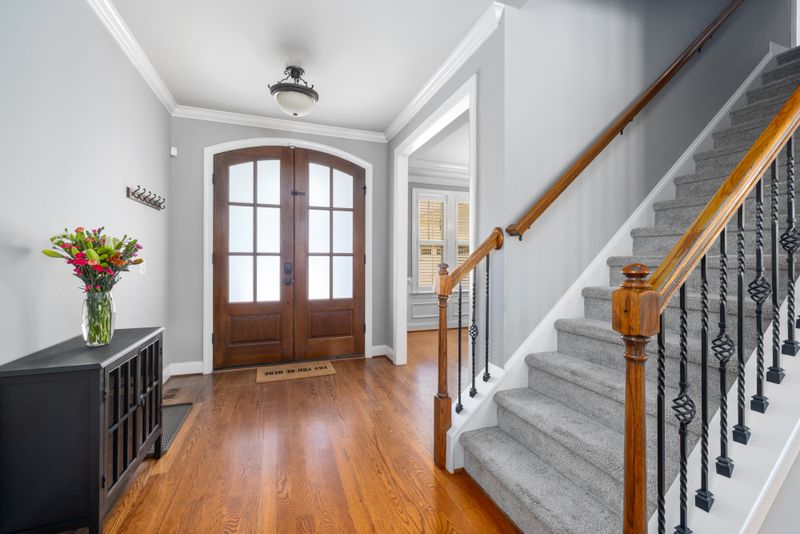
6. Slide a slim shoe cabinet against the wall
Tipping shoe cabinets (about 9 inches deep) hold 6–8 pairs in the footprint of a wall. They double as a console for a small plant or a bowl for keys. If shoes are currently staging a hallway takeover, see our shoe storage ideas for small spaces for more renter-friendly options.
7. Turn the top of the doorframe into a shelf
The 8 inches of wall above a doorframe is dead space in almost every apartment. A simple board resting on two brackets up there holds seasonal items — gift wrap, rarely used board games, extra blankets. Keep it light and tidy, since you'll see it from down the hall.
8. Line the hallway with a slim console table
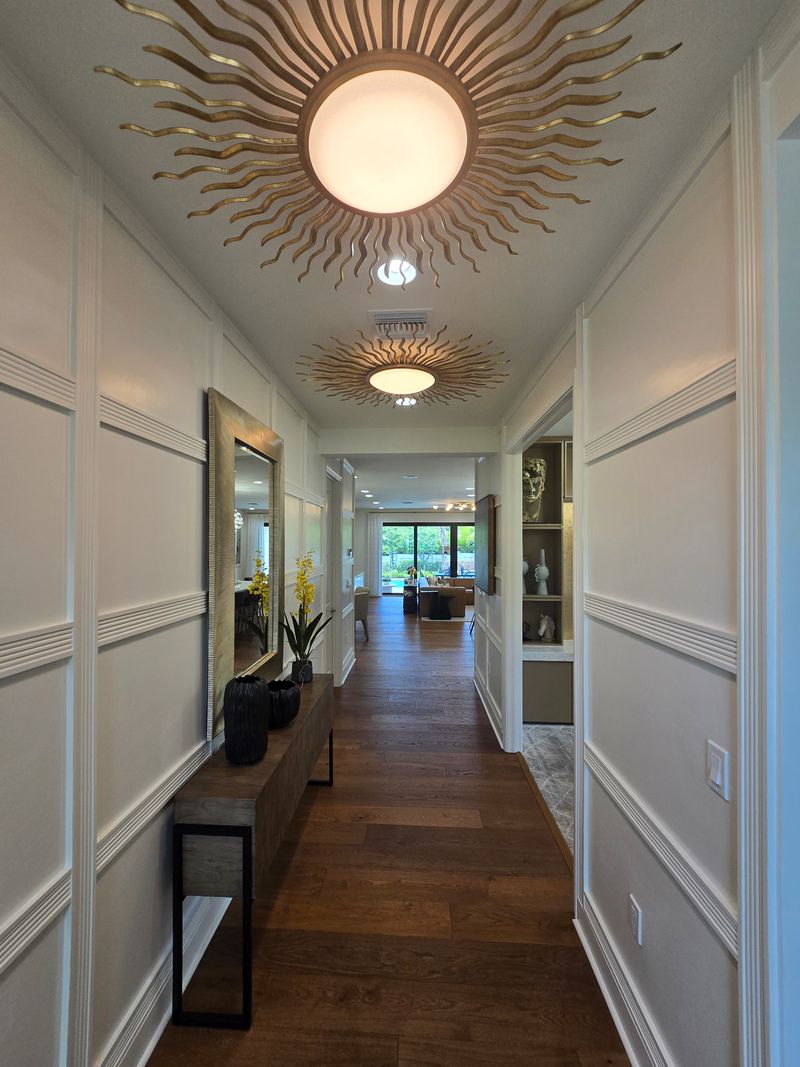
A console table no deeper than 10–12 inches fits most hallways without blocking the path. Baskets underneath corral shoes, pet supplies, or linens, while the top holds a lamp, a mirror, and your keys tray. Measure your walkway first: you want at least 30–36 inches of clear walking space after the table goes in.
9. Hang a pegboard for flexible storage
A small pegboard panel on the wall is the most adaptable storage in a hallway. Rearrange hooks for bags, hang a mail sorter, clip up a family calendar — and change it all with the seasons. Lean a freestanding pegboard against the wall if your lease forbids drilling; it works just as well.
10. Add rolling under-bench storage
If your hallway is wide enough for a slim bench (10–12 inches deep), you've gained seating and storage in one piece. Rolling under-bench baskets or bins hide shoes and winter gear.
Make a Narrow Hallway Feel Wider (Not Just Tidy)
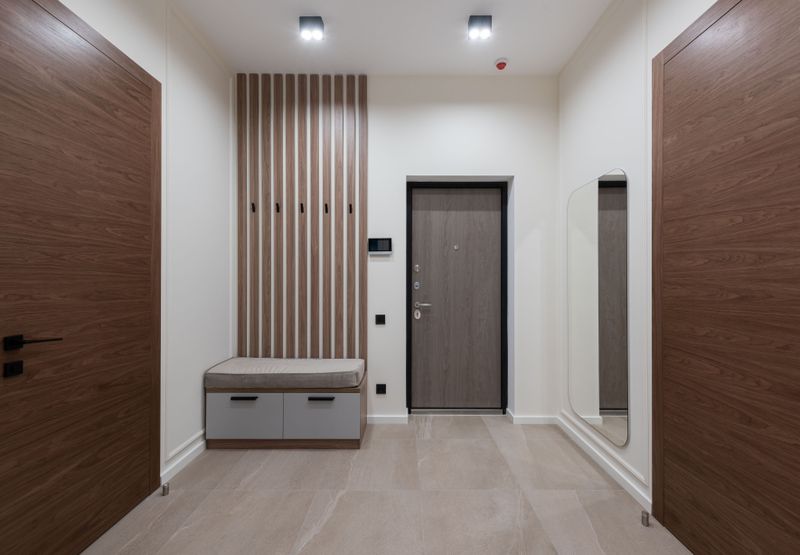
11. Hang a large mirror on one wall
A big mirror doubles the perceived width of a hallway by reflecting the opposite wall and bouncing light around. Place it where it catches a window or a light source at the far end. A mirror with a small ledge does double duty: reflection plus a spot for keys.
12. Lay a long runner rug
A runner rug draws the eye down the length of the hallway, emphasizing length instead of narrowness. Choose a low-pile, washable rug about 2–2.5 feet wide, leaving a few inches of floor visible on each side — a rug that touches both walls makes the space feel tighter, not wider.
13. Keep one wall light and simple
If you can paint (or use removable wallpaper on one wall), a light warm white opens the space dramatically. If painting is off-limits, hang a vertical gallery wall of prints in matching frames — vertical artwork draws the eye upward and makes ceilings feel taller. Our renter-friendly storage ideas has more no-damage tricks for walls and paint.
14. Improve the lighting
Dark hallways feel narrow; bright ones feel generous. Swap a single dim overhead bulb for a brighter LED, add a battery-powered wall sconce or two, and keep the doorway at the far end open so daylight reaches in. Apartment Therapy's roundup of hallway storage projects shows how even slim shelving looks intentional in a well-lit narrow hall.
Quick tip: Do the "shoulder test" before buying anything for your hallway. Stand sideways in the corridor and hold your arms at shoulder width — if a piece of furniture or basket pokes past your elbows when you walk through, it's too deep. In most apartments, that means sticking to pieces under 12 inches deep.
The hallway doesn't need to be a room you just pass through — when every item has a home on the walls, the corridor starts working for you instead of against you.
Frequently Asked Questions
What furniture works best in a narrow hallway?
Stick to pieces under 10–12 inches deep: slim shoe cabinets, narrow console tables, shallow floating shelves, and wall-mounted hooks. Anything deeper will eat into the 30–36 inches of clear walking space your hallway needs to feel comfortable.
How can I organize a narrow hallway without drilling holes?
Use removable adhesive hooks, leaning mirrors, freestanding pegboards, over-the-door organizers, and slim furniture that stands on the floor. Battery-powered sconces and picture-ledge shelves that rest on adhesive brackets add light and storage with zero wall damage.
How do I make a narrow hallway feel wider?
Hang a large mirror to reflect light, lay a lengthwise runner rug, keep one wall light-colored and uncluttered, and brighten the lighting. Keeping floor space completely clear does more for perceived width than any single decor piece.
Where should I put shoes in a narrow hallway?
A slim tipping shoe cabinet (about 9 inches deep) against one wall is the cleanest solution. Alternatives include baskets under a slim bench, a row of wall hooks for the current pair, or a shoe shelf in the nearest closet so the hallway only holds what you're wearing today.
Your hallway is the first thing you see when you come home and the last thing you see before you leave — it deserves better than being a dumping ground. Start with the free wins (clear the floor, move everything to one wall), then add one storage piece at a time. If you're just getting started with small-space living, our start-here guide walks you through the whole approach room by room.