A jumbled medicine cabinet makes even a tiny bathroom feel chaotic — every morning becomes a game of catch-the-falling-bottle. These medicine cabinet organization ideas are built for small spaces, tight budgets, and renters who can't drill into the walls. Most use dollar-store bins, smart zoning, and a simple expiry habit that keeps the cabinet safe as well as tidy. Give it one hour this weekend and you'll wonder why you waited.
Free Fixes: Rethink What Lives in the Cabinet
Before buying a single organizer, fix the root problem: most medicine cabinets hold too much of the wrong stuff. These zero-cost moves take about 30 minutes and make every idea below work better.
1. Empty it completely and wipe it down
Take everything out and wipe the shelves — it's hard to organize what you can't see, and you'll spot leaky caps and old pill crumbs in the corners. Put items back one by one so only what earns its spot returns. Even a simple declutter of toiletries inside the cabinet makes the whole bathroom feel calmer, without spending a cent.
2. Toss expired and half-empty bottles first
Expired medicines, dried-out creams, and that sunscreen from two summers ago are clutter you shouldn't keep for safety reasons. Check expiry dates as you sort and bag expired items for responsible disposal — many pharmacies accept old medications, and guides like these medicine cabinet tips treat date-checking as the crucial first step. Most homes free up a surprising amount of shelf space here alone.
3. Separate medicines from grooming and beauty items
The quickest way to chaos is one shelf doing three jobs. Keep actual medicines — painkillers, prescriptions, bandages, vitamins — in their own clearly defined section or on their own shelf, apart from skincare, grooming tools, and hair products. When everything has its own lane, checking or restocking medication doesn't mean digging past moisturizer and nail files. If you're short on shelves, even a small divider tray on a shared shelf creates this separation.
4. Assign shelves by frequency of use, not just by category
This small change matters most in a genuinely tiny cabinet. Put daily-use items — toothbrush, toothpaste, daily medication — on the easiest-to-reach shelf. Weekly items (masks, specialty creams) go one level less convenient; rarely used ones (first-aid kit, seasonal allergy meds) go on the hardest-to-reach shelf. On a single-shelf cabinet, split left and right: daily on one side, occasional on the other.
Budget Organizers That Fit Tiny Cabinets
Small cabinets punish loose items — bottles fall, tubes roll, and tiny things vanish into the back. A few cheap organizers turn each shelf into a grid of tidy sections.
5. Corral each shelf with small clear bins
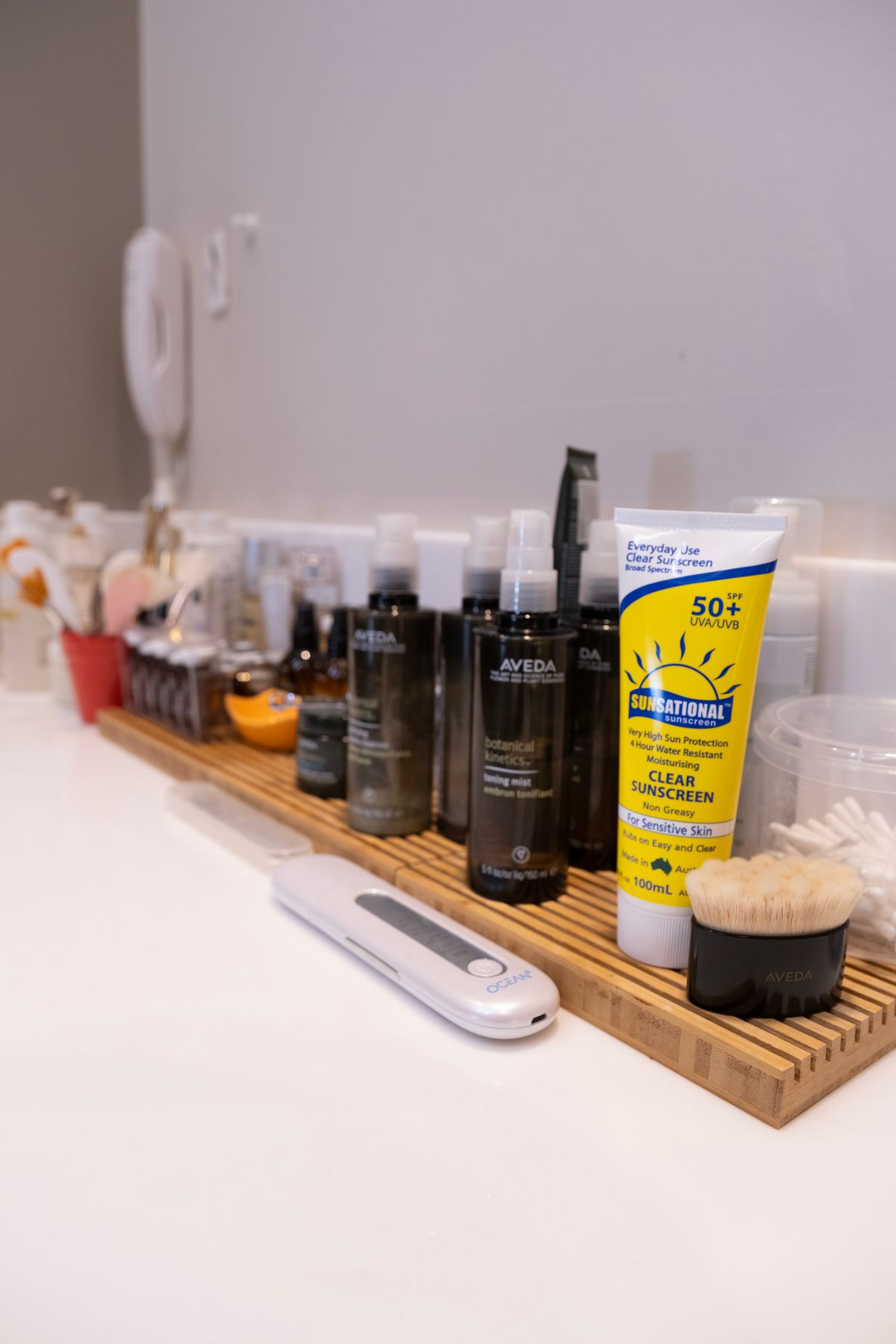
Dollar-store bins, small acrylic trays, or repurposed yogurt containers keep small items grouped on each shelf — one for dental care, one for bandages and ointments, one for hair ties and bobby pins. Prefer transparent bins: you can see what's inside at a glance, while opaque boxes get opened, rifled through, and abandoned open, recreating the clutter.
6. Add a shelf riser to double vertical space
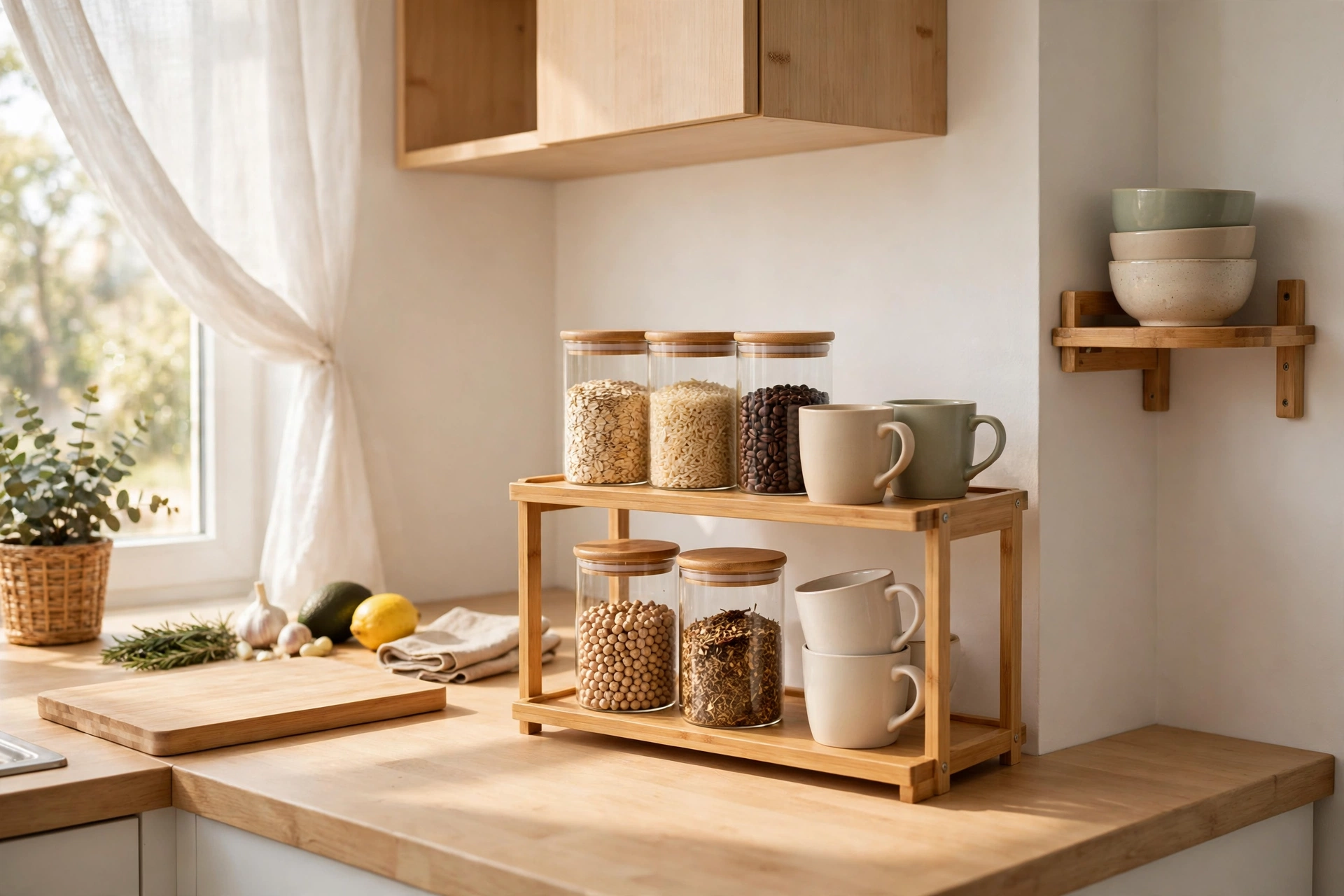
Most cabinet shelves are spaced for tall bottles, wasting the air above shorter ones. A small metal or bamboo shelf riser — often just a few dollars — creates a second level on the same shelf: short items below, taller items behind. It's the same trick that rescues small bathroom shelves, and it works inside a cabinet too.
7. Hang small things under the shelves
Adhesive hooks or a slim magnetic strip under a shelf gives tweezers, scissors, nail clippers, and small brushes a home that costs zero shelf space. On metal shelves magnets stick directly; on glass or plastic, self-adhesive strips work and peel off cleanly when you move out. Keep sharp items capped so nobody gets scratched reaching in.
8. Decant small loose items into jars
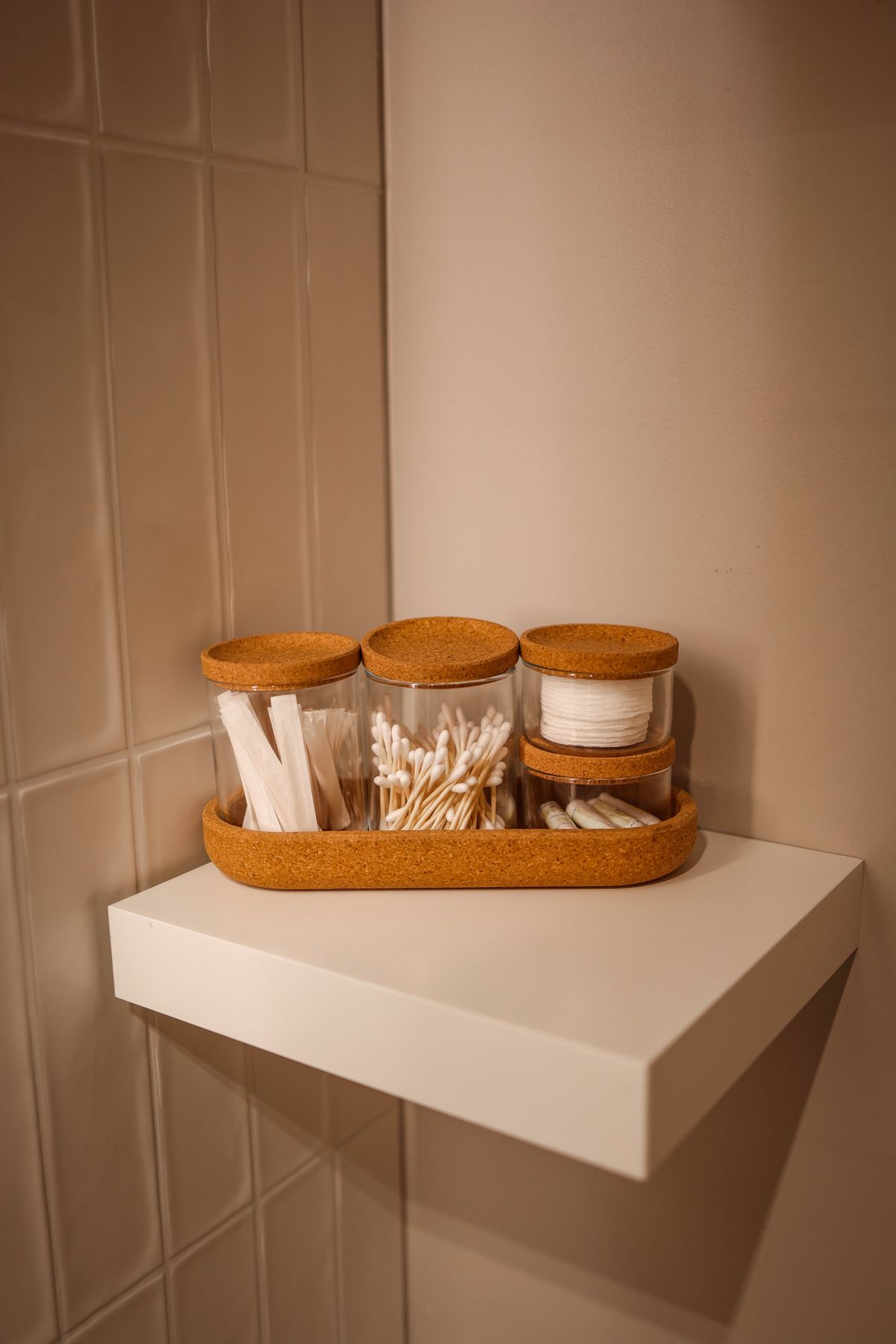
Cotton rounds, cotton swabs, and bobby pins turn into shelf-sliding confetti when left loose. Small glass jars or tins keep them contained, visible, and easy to grab. Refill the jar from the bulk box (stored under the sink — see our under-sink organization ideas) instead of keeping the whole family-size box on the shelf.
The goal isn't a perfect cabinet — it's a cabinet where you can grab what you need with one hand, in the dark, half asleep.
Renter-Safe Door and Shared-Space Tricks
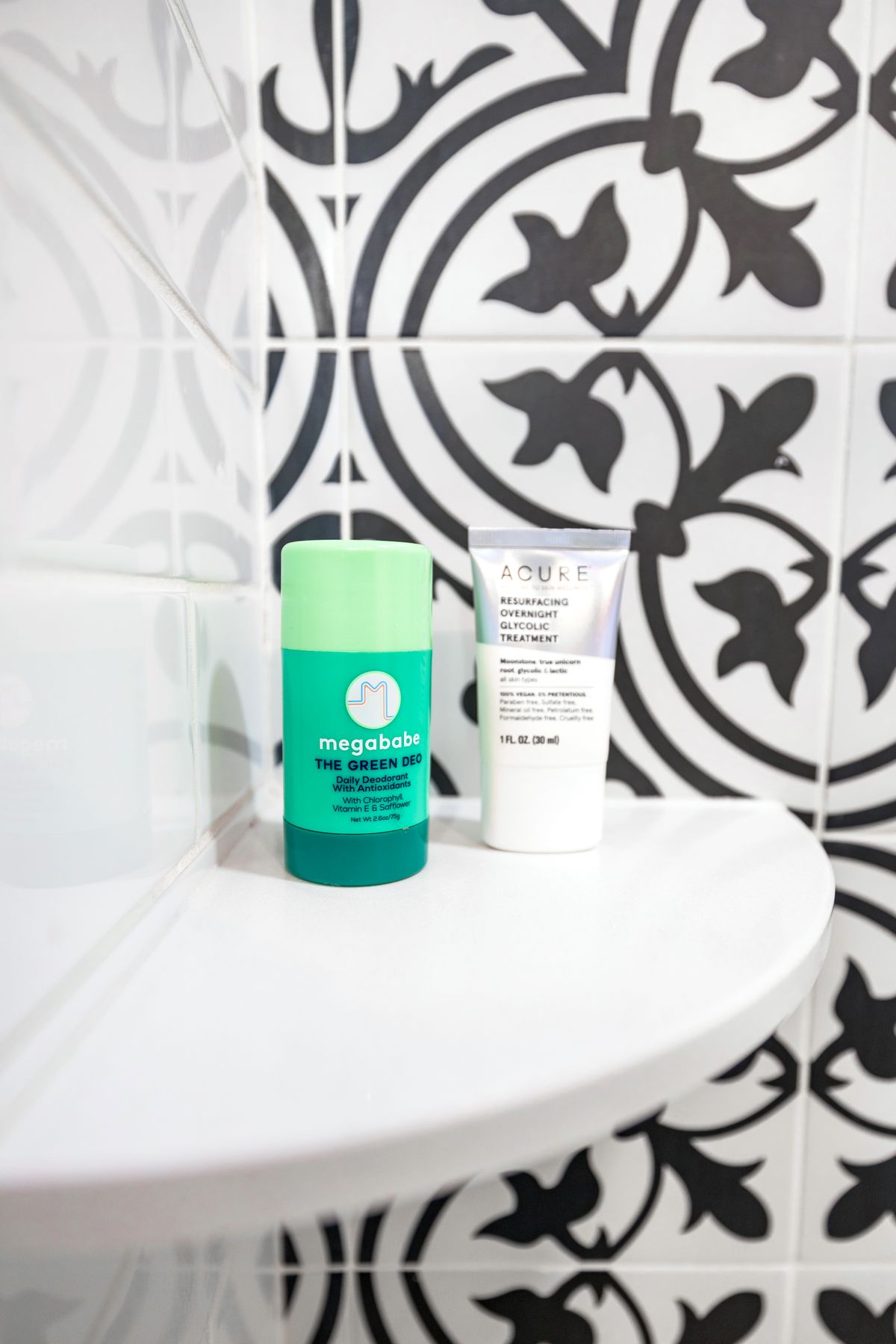
The inside of the cabinet door is wasted real estate in most bathrooms, and shared cabinets have their own social problems. These ideas handle both without touching a drill.
9. Use the inside of the door
Adhesive magnetic strips or slim adhesive pockets hold flat lightweight items: tweezers, nail files, bandage strips, makeup pencils. Keep it light so the door still swings shut and nothing presses against the bottles when it closes.
10. Label every bin, even for one person
A strip of masking tape and a marker is all it takes: "Daily," "First aid," "Night skincare." In a shared bathroom, labels are non-negotiable — mark each person's bin with a name or colored sticker so roommates and kids stop "borrowing" (and misplacing) each other's things.
11. Give each person a zone, not a whole cabinet
Shared bathrooms turn one cabinet into a war zone. The fix: dedicate one shelf — or one bin per person — rather than letting everyone grab random space. Each person keeps their own bin tidy, which makes accountability automatic. With more people than shelves, stackable labeled bins give everyone a personal "drawer" on a single shelf.
12. Adopt the one-in-one-out rule
The cabinet refills faster than it empties because new products arrive and old ones linger. When a new item enters, an old or unused one leaves — goes under the sink, gets donated, or gets tossed if expired. This single habit does more for long-term order than any organizer, and it's free.
13. Run a five-minute expiry audit twice a year
Set a phone reminder for January and July to pull everything out for a quick date check. Sunscreen, first-aid ointments, and medicines expire faster than most people realize, especially in humid bathrooms. Pair the audit with your toothbrush swap and the cabinet stays safe, current, and honest about what it holds — like the towel storage habits we use for the rest of the bathroom.
Frequently Asked Questions
How do I organize a small medicine cabinet without buying anything?
Empty it, toss expired items, and reorganize by frequency of use — daily items at eye level, occasional ones elsewhere. Separate medicines from grooming products, and use jars or containers you already own as dividers. Most cluttered cabinets need less storage and more sorting.
Should medicines and toiletries be stored separately?
Yes, whenever possible. Keep medicines, prescriptions, and first-aid supplies in their own section or shelf, away from skincare and grooming items. It makes checking expiry dates and restocking far easier, and keeps children and guests from accidentally handling medications.
How often should I clean out my medicine cabinet?
A five-minute expiry audit twice a year is enough for most households. Pull everything out, check dates, dispose of expired items through a pharmacy take-back program where available, wipe the shelves, and put everything back by frequency of use.
Can I organize a rented medicine cabinet without drilling?
Absolutely. Everything in this guide is renter-friendly: free-standing bins, shelf risers, adhesive hooks and magnetic strips on the door, and labels. Avoid screws entirely — removable adhesive hooks and magnets leave no marks and come off cleanly when you move out.
Small spaces reward small systems. With these medicine cabinet organization ideas in place, your cabinet stops being a mystery box and becomes the fastest stop in your morning routine — grab, go, done.